
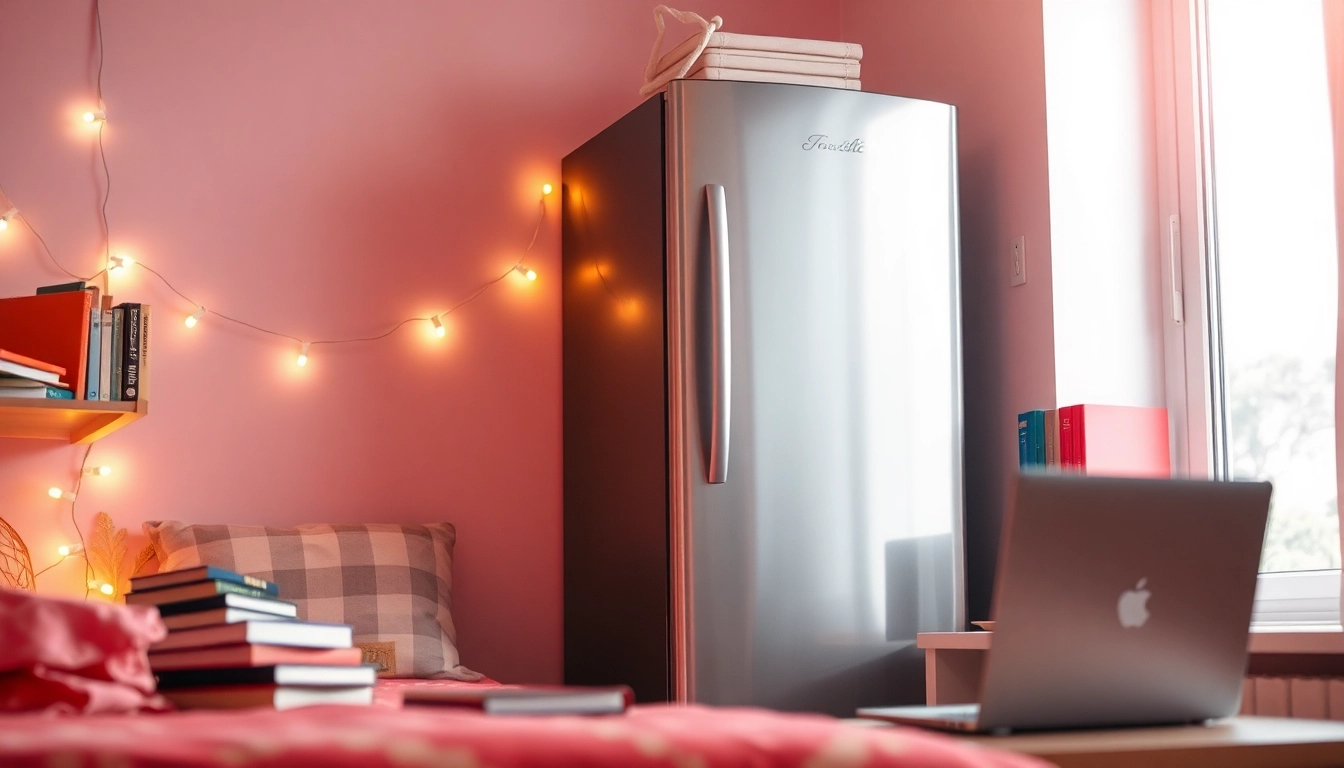
Understanding the Importance of a Dorm Room Fridge
If you’re heading to college, one of the essential items to consider for your living arrangement is a dorm room fridge. This compact appliance provides not only convenience but also a means to maintain a healthier lifestyle away from home. Students often face dietary adjustments when transitioning to campus life, making it crucial to have easy access to fresh food items. A dorm room fridge can ease this transition, serving as personal storage for snacks, beverages, and leftovers, ultimately enhancing your daily routine. From keeping your food fresh to helping you save money, the benefits are plentiful. An intriguing solution for an improved campus life is investing in a dorm room fridge.
Why Every Student Needs a Dedicated Dorm Room Fridge
For many students, a dorm room fridge might seem like a luxury rather than a necessity. However, as you navigate college life, having dedicated space for food and drinks becomes paramount. The convenience of being able to store your favorite snacks and meals right in your room not only saves time but also promotes healthier eating habits. No more late-night dashes to the common kitchen or cafeteria; your fridge is right at your fingertips.
Moreover, the control over your diet that comes with a personal fridge can also help you stay energized and focused during long study sessions. As you engage in busy class schedules and extracurricular activities, the importance of grabbing a quick snack or a refreshing drink without leaving your room cannot be underestimated.
Key Features to Look For in a Dorm Room Fridge
When selecting a dorm room fridge, it’s vital to consider several features that enhance functionality and convenience. One key feature is size—compact models designed explicitly for dorms usually top out at around 4.5 cubic feet. This compact size makes them manageable yet ample for basic storage needs.
Additionally, look for adjustable shelves. This flexibility allows you to customize the interior space based on your storage requirements. A good dorm room fridge will also include features like door bins for small items, the capability to store a two-liter soda bottle standing up, and even a freezer compartment for ice cubes or frozen meals.
Lastly, consider energy efficiency ratings; an efficient model not only saves on electricity bills but also contributes to a more eco-friendly campus lifestyle.
Space-Saving Designs for Small Dorms
Space is often at a premium in dorm environments, so choosing a model that fits snugly in your room is essential. Manufacturers have designed various space-saving options that work effectively within these limits without sacrificing functionality. Consider models with vertical rather than horizontal layouts to utilize room height without encroaching on valuable floor space.
Additionally, look for under-counter designs or fridges that double as a small furniture piece—some even come with open shelving on top, making for an excellent small table or display area.
Top Benefits of Having a Dorm Room Fridge
Keeping Fresh Food Accessible
Access to fresh ingredients can significantly improve your diet while at college. A dorm room fridge allows you to keep fruits, vegetables, and dairy products on hand, which is crucial for maintaining a balanced diet. Being able to store a variety of food items may encourage you to prepare meals rather than relying solely on fast food or campus dining options.
This can have a positive ripple effect on your energy levels and overall wellness during your college years. Fresh food is not only healthier but also plays a crucial role in sustaining focus and cognitive function, making academic success more achievable.
Convenience for Late-Night Snacks
Late-night study sessions can lead to cravings, and having a dorm room fridge stocked with snacks can help curb those hunger pangs. Whether it’s yogurt, fruit, or simply a cold beverage, a fridge right in your room offers the convenience of nourishing food choices on-demand. This reduces the temptation to gravitate towards unhealthy snacks from vending machines or convenience stores, further promoting better eating habits.
Reducing Trips to the Campus Cafeteria
Campus cafeterias can often be crowded and far from residence halls, especially during peak hours. By having a personal fridge, you can significantly reduce trips to the cafeteria, allowing for a more efficient use of your time. You’ll be able to enjoy meals at your convenience, whether it’s a homemade salad or simply leftovers from the previous night. This accessibility provides both time management benefits and dietary control.
Choosing the Right Size for Your Dorm Room Fridge
Determining the Best Capacity for Your Needs
Selecting the appropriate size for your dorm room fridge is vital for maximizing its benefits. You should consider your eating habits, how much food you generally store, and available space. Typically, a 3 to 5 cubic feet fridge is an ideal range for most students, providing enough capacity for essentials without overwhelming limited space.
Additionally, think about frequency of use. If you frequently cook, having a larger capacity will enable you to keep more groceries on hand, while a smaller unit may suffice for occasional snacking.
Standard Sizes and Configurations
Dorm room fridges come in various standard sizes, including mini fridges and compact refrigerators. Mini fridges generally range from 1.5 to 4.5 cubic feet, while compact refrigerators typically range from 4.5 to 6 cubic feet. Understanding these configurations can help you visualize how much space you can spare for food storage.
Beyond size, pay attention to the layout. Some models feature freezer sections, while others focus solely on refrigeration. Prioritize a layout that suits your eating style, ensuring you have easy access to the items you consume most frequently.
Choosing between Single-Door and Double-Door Models
With various options on the market, one critical decision lies between single-door and double-door configurations. Single-door models are typically more compact and often include a small freezer compartment. These models are well-suited for minimalists with fewer items to store.
On the other hand, double-door models tend to offer more layout flexibility and may include separate compartments for fresh foods and freezing items. If you’re someone who appreciates meal prep or enjoys keeping larger items, a double-door model may provide the extra benefit you need.
Energy Efficiency and Cost-Effectiveness
Tips for Selecting an Energy-Efficient Dorm Room Fridge
When seeking out a dorm room fridge, energy efficiency should be a key consideration. Look for models with the Energy Star label, which indicates compliance with strict energy efficiency guidelines set by the U.S. Environmental Protection Agency. These fridges consume roughly 15% less energy than non-certified models, leading to potential savings over time.
Additionally, make sure to check estimated annual operating costs provided by the manufacturers. Weigh this against capacity and features to make an informed decision that maximizes value.
How Energy Ratings Affect Your Budget
Energy ratings can significantly impact your college budget. A higher energy rating translates to lower energy consumption, meaning you won’t be caught off guard by inflated electricity bills. Although energy-efficient models may have a higher upfront cost, the cumulative savings can make them worthwhile over the course of your college tenure.
Long-Term Savings on Electricity Bills
Long-term savings must also be accounted for when thinking about the investment in your dorm room fridge. Models with good energy efficiency can help keep everyday costs manageable, allowing for you to save that money for other essentials like textbooks or additional groceries. Ultimately, the more you save on your fridge, the more you can allocate elsewhere in your academic journey.
Frequently Asked Questions about Dorm Room Fridges
What size dorm room fridge should I get?
A dorm room fridge size between 3 to 5 cubic feet is ideal for most students. Assess your eating habits and storage needs to make the best decision based on available space.
Can I keep a fridge running in my dorm without any issues?
Generally, yes. Most dorms allow fridges, but always check with your institution’s housing policy to ensure compliance with any electrical guidelines.
How do I maintain my dorm room fridge?
Regularly clean the interior, check for expired items, and maintain proper airflow around the fridge. This will help ensure optimal performance and longevity.
Are there energy-efficient dorm room fridges?
Yes, many brands offer Energy Star-rated dorm room fridges, which are designed to consume less electricity while providing essential cooling functionality.
What features should I prioritize in a dorm room fridge?
Look for adjustable shelves, sufficient storage capacity, a freezer compartment, and energy-efficient ratings to ensure you meet your food storage needs effectively.


