Understanding TradingView: A Comprehensive Introduction
In the fast-paced world of trading, having the right tools at your disposal is crucial for success. TradingView is emerging as a go-to platform for both new and experienced traders alike. With its powerful charting capabilities, social networking features, and a vast array of market data, TradingView offers an all-in-one solution that caters to a diverse range of trading strategies. Whether you are looking to analyze price movements or engage with other traders, this comprehensive guide will help you navigate through the essential features and benefits of using TradingView effectively.
When exploring options, tradingview provides comprehensive insights that can enhance your trading experience significantly.
What is TradingView and Its Core Features?
TradingView is not just a charting tool; it is a multifaceted platform that combines charting, social networking, and market analysis all in one place. Its core features include:
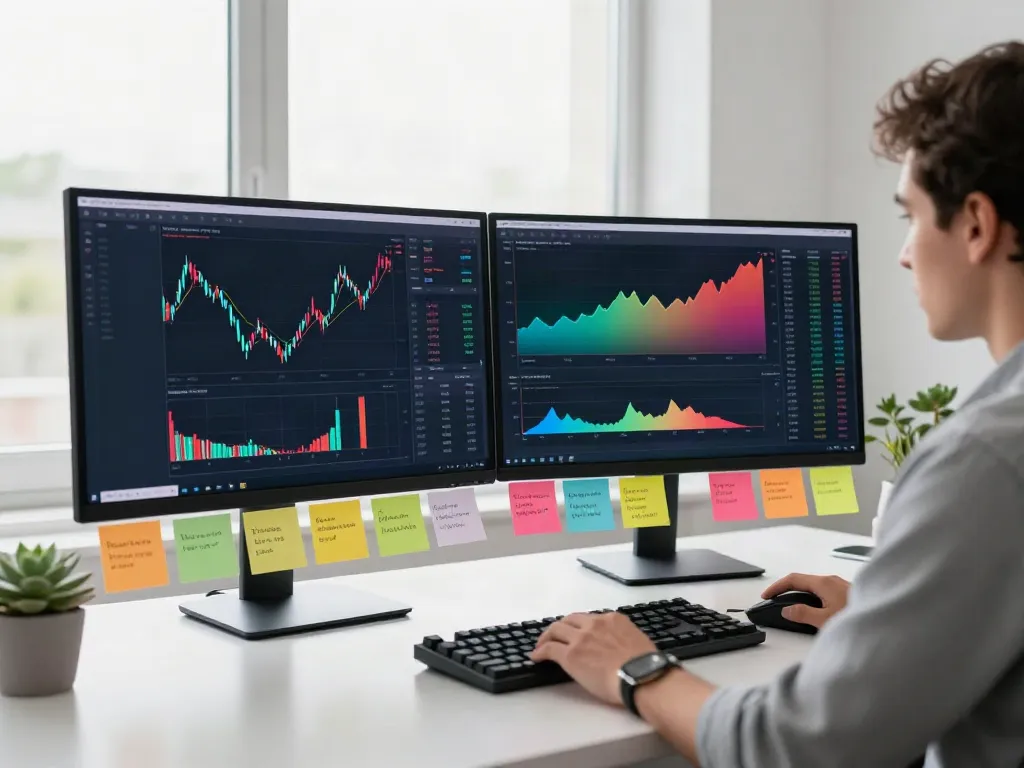
- Advanced Charting Tools: Users can create customized charts with a variety of indicators, studies, and drawing tools to analyze market trends in real time.
- Social Networking: Connect with a community of traders who share insights, strategies, and analyses, fostering a collaborative trading environment.
- Market Data: Access extensive market information across a plethora of asset classes, including forex, stocks, and cryptocurrencies.
- Alerts and Notifications: Set up customizable alerts to stay informed about market movements that matter to you.
Benefits of Using TradingView for Traders
Utilizing TradingView brings significant advantages, including:
- User-Friendly Interface: The platform is designed for ease of use, making it accessible for beginners and experienced traders alike.
- Customizable Workspace: Tailor your trading environment by arranging charts and tools according to your preferences.
- Cross-Platform Accessibility: Whether on desktop or mobile, TradingView provides seamless access to your workspace anywhere, anytime.
- Built-in Community Features: Benefit from shared ideas and strategies through public streams and discussions, enhancing your market understanding.
Getting Started with Your TradingView Account
Creating a TradingView account is straightforward. Simply visit their website and sign up for a free account or choose from various subscription plans that offer additional features. Once registered, you will have access to the platform's full suite of features, empowering you to start analyzing markets immediately.
Mastering Charting Techniques on TradingView
How to Create Custom Charts and Indicators?
To make the most out of TradingView, mastering custom chart creation is essential. Here's how:
- Choose a Market: Select the asset you wish to analyze from the extensive list of markets available.
- Select Chart Type: TradingView offers various chart types such as candlestick, line, and bar charts. Choose one that suits your analysis style.
- Add Indicators: Utilize technical indicators like Moving Averages, RSI, or Bollinger Bands by searching and adding them directly to your chart.
- Save Your Layout: Once your chart is customized, save the layout for future reference.
Utilizing TradingView Tools for Effective Market Analysis
TradingView comes loaded with tools that make market analysis efficient:
- Replay Tool: This allows users to simulate past trading scenarios, providing a great way to practice strategies without financial risk.
- Economic Calendar: Keep track of important economic events that can impact market movements.
- Heatmaps: Visualize market data to identify trends and hotspots quickly.
Common Chart Patterns Every Trader Should Know
Understanding chart patterns is crucial for successful trading. Here are some common patterns to watch for:
- Head and Shoulders: Indicates a reversal pattern that can signal a change in market direction.
- Double Tops and Bottoms: These patterns suggest potential reversals at resistance or support levels.
- Triangles: Ascending, descending, and symmetrical triangles can indicate consolidation phases or breakout opportunities.
Engaging with the Trading Community on TradingView
Exploring TradingView's Social Features: How to Connect?
TradingView thrives on its community features, allowing traders to share insights and engage with each other. Users can:
- Follow Other Traders: Gain inspiration by following successful traders who share their strategies.
- Join Public Chats: Participate in discussions centered around specific assets or general trading topics.
- Publish Ideas: Feel free to share your analyses and forecasts with the community, inviting feedback and collaboration.
Building Your Trading Network: Strategies for Engagement
Effective networking is key to enhancing your trading skills. Here are several strategies:
- Be Active: Regularly comment on others’ posts and provide constructive feedback.
- Pursue Collaborative Analysis: Team up with other traders to analyze specific markets or strategies.
- Share Your Journey: Document your trading experiences and lessons learned to inspire others in the community.
Best Practices for Sharing Insights and Strategies
When sharing insights on TradingView, it’s important to maintain professionalism:
- Be Clear and Concise: Use straightforward language to explain complex concepts.
- Support Your Claims with Data: Always back your analyses with solid data and rationale.
- Engage Respectfully: Foster a positive community atmosphere by respecting differing opinions and approaches.
Advanced Trading Strategies Using TradingView
Implementing Technical Analysis with TradingView Tools
Using TradingView for technical analysis involves a systematic approach:
- Identify Key Levels: Mark support and resistance levels using horizontal lines or Fibonacci retracement tools.
- Apply Multiple Indicators: Enhance your analysis by combining different indicators to confirm signals.
- Use Chart Patterns: Refer back to the common patterns discussed previously to identify potential trade setups.
How to Backtest Your Trading Strategies Effectively?
Backtesting is a pivotal step in developing an effective trading strategy. To do this on TradingView:
- Select an Asset: Choose the asset you wish to backtest your strategy on.
- Implement Strategy Rules: Write your trading rules into TradingView’s Pine Script to automate backtesting.
- Analyze Results: Review performance metrics to assess the viability of your strategy based on historical data.
Leveraging Alerts and Notifications for Market Opportunities
Maximize your trading effectiveness by setting alerts on TradingView:
- Price Alerts: Set alerts for specific price points that trigger notifications via email or mobile.
- Indicator Alerts: Customize alerts based on specific technical indicators crossing predefined thresholds.
- News Alerts: Stay informed by receiving notifications about significant news affecting your selected markets.
Future Trends and Predictions: TradingView in 2026 and Beyond
Innovative Features Expected in TradingView Updates
As we look towards 2026, TradingView is likely to introduce several innovative features, including:
- Enhanced AI Capabilities: Improved algorithms for analyzing patterns and automating trading signals.
- More Social Features: Expansion of community engagement tools to foster collaboration.
- Integrated Learning Modules: Providing educational resources directly within the platform tailored for all experience levels.
How AI and Machine Learning Will Transform TradingView?
The integration of AI and machine learning into TradingView is expected to revolutionize how traders approach the markets:
- Predictive Analytics: AI algorithms could analyze historical data to predict future price movements, enhancing decision-making.
- Automated Trading Strategies: Machine learning models could automate trading strategies based on users’ past behaviors and market conditions.
Preparing for Market Changes: Adapting Your Strategies
As the market landscape evolves, adapting your trading strategies will be key:
- Stay Informed: Regularly update your market knowledge by following trends and news.
- Embrace New Technologies: Be open to adopting new features and tools on TradingView for better analysis.
- Continuous Learning: Engage with educational resources and community discussions to refine your strategies.
What are the Key Features of TradingView?
Key features that set TradingView apart include:
- A wide array of configurable chart types
- In-depth market data and financial instruments
- Customizable alerts and watchlists
- Robust social and community features
How Can I Optimize My TradingView Experience?
To optimize your TradingView experience:
- Utilize keyboard shortcuts for efficiency
- Create multiple workspaces for different strategies or assets
- Engage with the community to learn and share
Is TradingView Suitable for Beginners?
Yes, TradingView is very beginner-friendly. Its intuitive interface, along with a wealth of educational resources, makes it accessible for novice traders.
What Trading Strategies Work Best with TradingView?
Strategies that leverage technical analysis and visualization tools tend to work best on TradingView, given its comprehensive charting capabilities.
How Will TradingView Evolve in the Coming Years?
As technology advances, TradingView will likely evolve by enhancing its analytical tools and integrating new technologies like AI to improve user experience and trading efficiency.