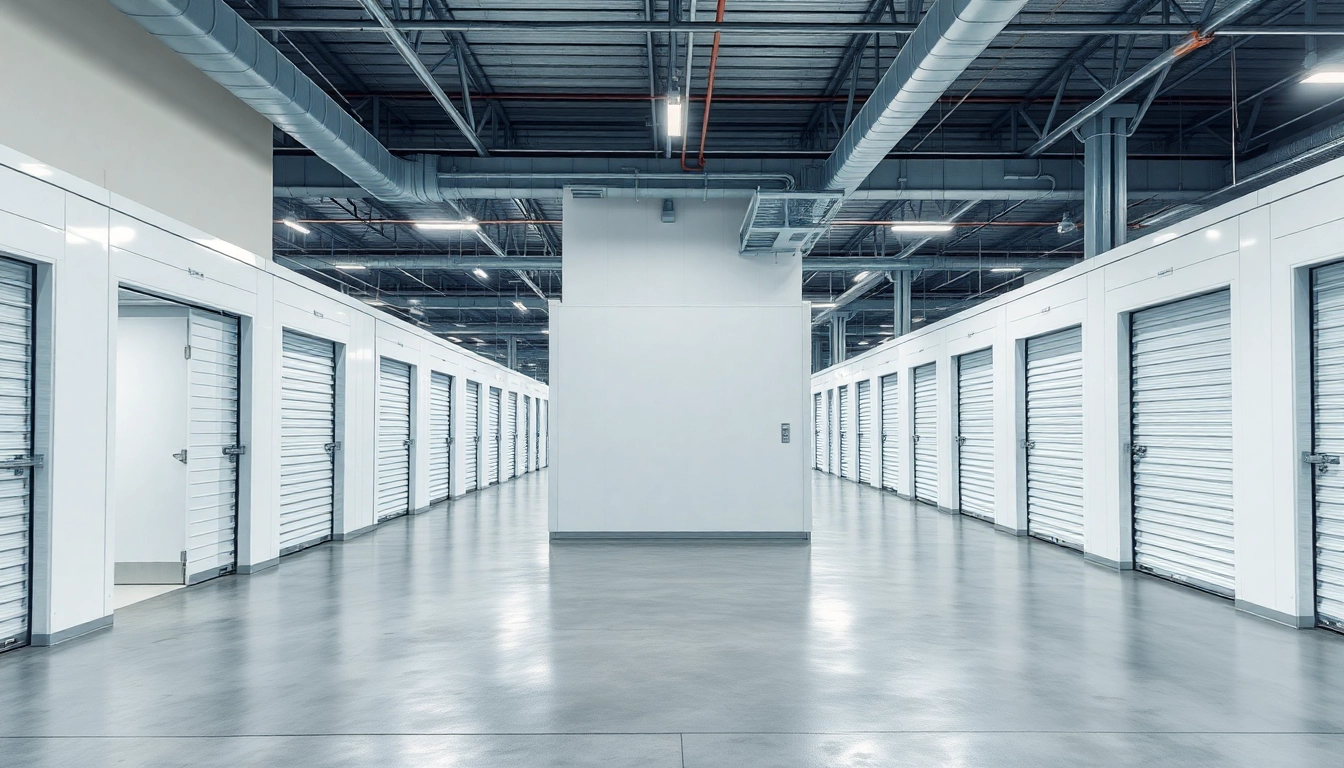
Understanding Self Storage Units
What Are Self Storage Units?
Self storage units are secure, rented spaces where individuals or businesses can store their belongings temporarily or long-term. These units come in various sizes, catering to diverse storage needs, from small containers for seasonal items to larger rooms for furniture and inventory. Tenants retain the key to their rented spaces, allowing them full control over their stored possessions. The convenience and flexibility of self storage units make them an increasingly popular choice in urban and suburban settings.
Benefits of Using Self Storage Units
Utilizing self storage units presents various advantages. First and foremost, they provide extra space, ideal for those downsizing or relocating. By decluttering your home or office, self storage units allow you to keep items accessible without sacrificing comfort or aesthetic appeal. They can also serve as a transitional solution during life changes, such as marriage, divorce, or moving to a new city.
Additionally, self storage units offer security features that protect your belongings. Most facilities have surveillance cameras, gated access, and often individual security alarms within units, giving clients peace of mind. Furthermore, renting these units can be financially beneficial, giving individuals and businesses an economic option for storage compared to renting larger homes or commercial spaces.
Types of Self Storage Units Available
When exploring self storage options, it’s essential to understand the different types available:
- Standard Units: These basic units provide straightforward storage solutions without climate control.
- Climate-Controlled Units: Ideal for sensitive items such as electronics, artwork, or documents that could suffer in extreme temperatures or humidity.
- Drive-Up Units: Convenient for businesses or individuals needing easy vehicle access to load and unload goods.
- Container Storage: Often used for long-term outdoor solutions, these containers can be delivered to your location for loading before being transported to a storage facility.
- Business Storage Units: Catering specifically to businesses, these units can accommodate inventory, supplies, and equipment.
Choosing the Right Self Storage Units
Assessing Your Storage Needs
To choose the right self storage unit, first assess your storage needs carefully. Consider what items you plan to store and how much space they require. Make a list of your belongings, encompassing size and volume estimates. This helps you determine whether you need a small locker, a medium-sized unit, or a larger room. Furthermore, reflect on the duration of storage—short-term vs. long-term—since this may influence your selection of a facility or pricing plan.
Comparing Features of Self Storage Units
Various features differentiate self storage units from each other, and understanding these can help you make an informed decision:
- Security: Look for facilities that offer high-security measures, including video surveillance, access control systems, and on-site management.
- Accessibility: Consider the hours of operation and ease of accessing your unit. Some offer 24/7 access, while others have limited hours.
- Location: A convenient location can save you time and transportation costs. Opt for a facility closer to your home or business.
- Maintenance and Cleanliness: Assess the facility’s cleanliness and maintenance standards; a well-kept environment reflects its commitment to quality service.
Checking Location and Accessibility
The location of a self storage unit is critical in ensuring convenience. A nearby facility allows easier access to your belongings, particularly if you need to retrieve items frequently. Furthermore, consider the accessibility of the storage units themselves. Features such as wide driveways, loading docks, and ground-level access can significantly enhance the moving process. Evaluate the surrounding area and available traffic routes as well, to ensure a hassle-free experience.
Managing Your Self Storage Units
Organizing Your Belongings Effectively
Effective organization within your self storage unit can maximize space and improve accessibility. Begin by using shelving to create vertical storage; this method takes advantage of height and keeps items off the floor. Group similar items together and label boxes clearly to enhance efficiency when searching for specific belongings. Additionally, consider placing frequently accessed items towards the front of the unit, ensuring ease of access during visits.
Best Practices for Using Self Storage Units
Maintaining the integrity of your items while stored is crucial. Here are best practices for utilizing self storage units successfully:
- Use Protective Wrapping: Protect delicate items with bubble wrap, furniture pads, or moving blankets.
- Climate Considerations: Choose climate-controlled units for sensitive items to prevent damage from fluctuating temperatures.
- Inventory Management: Keep a detailed inventory of what you have stored, which can help when later retrieving or assessing your items.
- Utilize Storage Bins: Sturdy, clear plastic bins can provide better protection against moisture than cardboard boxes and easily allow for visibility of contents.
Tips for Security and Protection
When utilizing self storage units, security should be a top priority. Ensure that the facility you choose has adequate security measures, such as gated access, video surveillance, and individual locks. For your unit, opt for a robust lock that cannot be easily tampered with. Additionally, avoid storing high-value items in less secure locations, and consider insurance options for peace of mind, should any unforeseen events occur.
Cost Considerations for Self Storage Units
Understanding Pricing Models
Pricing for self storage units can vary significantly based on location, type of unit, and additional features. Generally, you can expect rates to be quoted on a monthly basis. While some facilities may offer discounts for longer rental commitments, it is essential to understand the overall costs involved, which may include administrative fees, insurance, or deposit requirements.
Hidden Costs of Self Storage Units
When budgeting for self storage, it’s vital to be aware of potential hidden costs that could impact your overall expenses. Common issues include late fees for missed payments, costs for purchasing packing supplies, and payment processing fees, which some facilities impose. Carefully review your rental agreement to ensure you understand what additional charges may arise as your storage needs evolve.
Finding Discounts and Promotions
Many self storage companies offer discounts or promotional rates, especially for first-time customers or during off-peak seasons. Research different facilities and ask about available incentives when you inquire. Some facilities may offer first-month rent discounts, referral bonuses, or loyalty programs that can help reduce overall costs.
Frequently Asked Questions about Self Storage Units
What items are prohibited in self storage units?
Most facilities prohibit hazardous materials, perishables, and living items to ensure safety and compliance with regulations.
How long can I rent self storage units?
You can rent self storage units for various durations, ranging from short-term arrangements of a few weeks to long-term leases exceeding a year.
Can I access my self storage units anytime?
Access hours depend on the facility; while many offer 24/7 access, others enforce specific operational hours for security purposes.
Are self storage units climate-controlled?
Many storage facilities provide climate-controlled units, suitable for protecting sensitive items from temperature fluctuations and humidity.
How do I reserve a self storage unit?
Reserving self storage units can be done online or by directly contacting the facility, often through their website or customer service.