
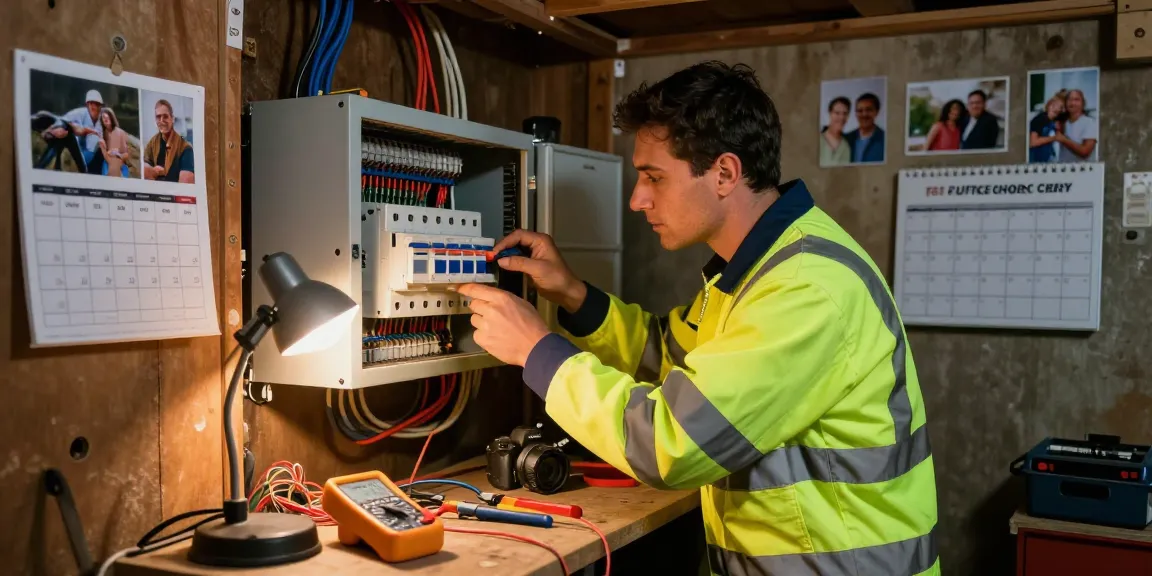
Understanding Electrical Safety Risks
In our increasingly electrified lives, understanding electrical safety risks has become more critical than ever. Electrical issues can lead to severe hazards, including fires, shocks, and even fatalities. Therefore, awareness of potential dangers and seeking immediate assistance from professionals are paramount for ensuring safety in homes and workplaces. Below, we explore various aspects of electrical safety, offering insights into common hazards, signs that indicate a need for emergency assistance, and misconceptions that might lead to dangerous situations.
For homeowners looking to strengthen their electricity safety knowledge, it’s essential to identify risks and know when to call for help. Electrical issues are often insidious, creeping up without notice until they manifest as a severe problem. To ensure safety, the first step is recognizing these risks. In this context, you can learn more about what conditions warrant an emergency electrician’s intervention.
Common Electrical Hazards in Homes
Homes are filled with various electrical components that, while convenient, also pose substantial risks. Some of the most common hazards include:
- Frayed Wires: Over time, wires can become frayed due to wear and tear, which can lead to short circuits or electrical fires.
- Overloaded Circuits: Plugging too many devices into a single outlet can overload circuits, causing them to overheat.
- Water and Electricity: Exposed electrical components near water sources, such as kitchens and bathrooms, increase the risk of electrical shock.
- Improperly Installed Fixtures: DIY installations or poorly done electrical work can create serious safety hazards.
Signs That You Need an Emergency Electrician
Not all electrical issues are apparent, but certain warning signs can help identify when it’s time to call in the professionals:
- Frequent Circuit Breaker Tripping: If a circuit breaker trips often, it may indicate an underlying electrical problem that needs immediate attention.
- Flickering Lights: Lights that flicker or dim unexpectedly may signal a deeper issue with your electrical system.
- Burning Smells or Sparks: Any burnt smell or visible sparks from wires or outlets requires immediate action.
- Inconsistent Power Supply: Devices that lose power intermittently may suggest wiring issues that need to be addressed.
Top Misconceptions About Electrical Issues
There are several misconceptions that can lead homeowners to underestimate the severity of electrical problems:
- “If it’s not sparking, it’s safe:” Many assume that if there are no visible issues, their electrical system is functioning safely. However, underlying problems may still exist.
- “I can fix it myself:” While minor electrical tasks may seem manageable, many homeowners lack the expertise needed to handle potential dangers.
- “Old wiring doesn’t cause issues:” Outdated wiring can be a significant hazard, as it may no longer meet current safety standards.
Choosing the Right Emergency Electrician
When faced with an electrical emergency, selecting the right electrician can make all the difference. It’s essential to choose someone equipped to handle your specific needs effectively. Here are some considerations to keep in mind:
What to Look For in an Electrician
Begin your search by looking for licensed and insured electricians. These credentials ensure that the professional has the necessary training and compliance with safety regulations. Moreover, consider their experience with residential or commercial electrical systems based on your requirements.
Emergency Response Time and Availability
Electrical emergencies can escalate quickly. Therefore, it’s crucial to hire an electrician who guarantees a fast response time. Look for professionals who are available 24/7, especially if you may need assistance outside of regular business hours.
Verifying Credentials and Experience
Before hiring an electrician, verify their credentials by checking their licenses and insurance coverage. Reading reviews or testimonials from previous clients can also give you insight into their reliability and quality of service. Experienced electricians typically have a proven track record in managing emergencies effectively.
Steps to Prepare for an Electrical Emergency
Preparation is key to minimizing risks associated with electrical emergencies. By taking proactive steps, homeowners can enhance their safety and ensure quicker responses when problems arise. Here’s how:
Creating an Emergency Action Plan
Your emergency action plan should detail contact information for your emergency electrician, a list of essential appliances, and steps to take in case of an emergency. Ensure every family member knows the plan and can execute it when necessary.
Essential Tools Every Homeowner Should Have
Every homeowner should possess basic tools for minor electrical issues. Essential tools might include:
- Insulated Screwdrivers: Protect yourself against shocks while performing simple tasks.
- Voltage Tester: Use this to check for live wires before working on any electrical components.
- Flashlights: A reliable flashlight is crucial, especially during power outages.
Safety Measures to Prevent Electrical Fires
To prevent electrical fires and ensure safety, consider implementing the following measures:
- Avoid overloading outlets.
- Unplug devices when not in use.
- Regularly check electrical cords for damage.
- Install smoke detectors and carbon monoxide detectors in your home.
Understanding Costs and Insurance Coverage
Knowing about costs associated with emergency electrical services and how insurance covers them can help you prepare financially. Here’s what you should know:
Average Costs for Emergency Electrical Services
Emergency electrical services can vary widely in cost, depending on the complexity of the issue and the time of day. On average, you might expect to pay between $150 to $500, but prices can go higher for more severe problems.
Insurance Considerations for Electrical Repairs
Before any emergency occurs, it’s wise to review your homeowners’ insurance policy to understand what electrical repairs are covered. Typically, damages due to electrical fires may be covered, but it’s essential to clarify specifics with your insurer.
How to Avoid Hidden Fees
When hiring an emergency electrician, always request a detailed estimate before work begins. This document should outline costs and services to prevent unexpected charges after the job is completed.
Future Trends in Electrical Safety and Technology
As we head into 2026, the electrical industry continues to evolve, driven by advancements in technology and increasing safety regulations. Here’s what homeowners should watch for:
Advancements in Smart Home Technology
Smart home technology is revolutionizing electrical safety. Devices like smart smoke detectors and smart circuit breakers can send alerts directly to your phone, providing real-time updates and enhancing your home’s safety.
Emerging Electrical Safety Regulations for 2026
Upcoming regulations will likely focus on modernizing electrical systems in older homes to meet contemporary safety standards. Homeowners should stay informed about these changes to maintain compliance and enhance safety.
How AI and Robotics Are Changing the Electrical Repair Landscape
Artificial intelligence and robotics are starting to influence the electrical repair industry. From predictive maintenance systems that help prevent issues to robots performing inspections, these technologies promise to enhance the efficiency and effectiveness of electrical work.
What Should Homeowners Know About Electrical Maintenance?
Regular maintenance is critical for ensuring your electrical system remains safe and functional. Homeowners should schedule routine inspections, which may catch potential problems before they escalate into emergencies.
How Can Electrical Upgrades Enhance Home Safety?
Upgrading old wiring, replacing outdated circuit breakers, and installing GFCI outlets are all effective ways to improve electrical safety. These enhancements not only mitigate risks but can also increase your home’s overall value and functionality.
