Understanding Commercial Automatic Doors
What Are Commercial Automatic Doors?
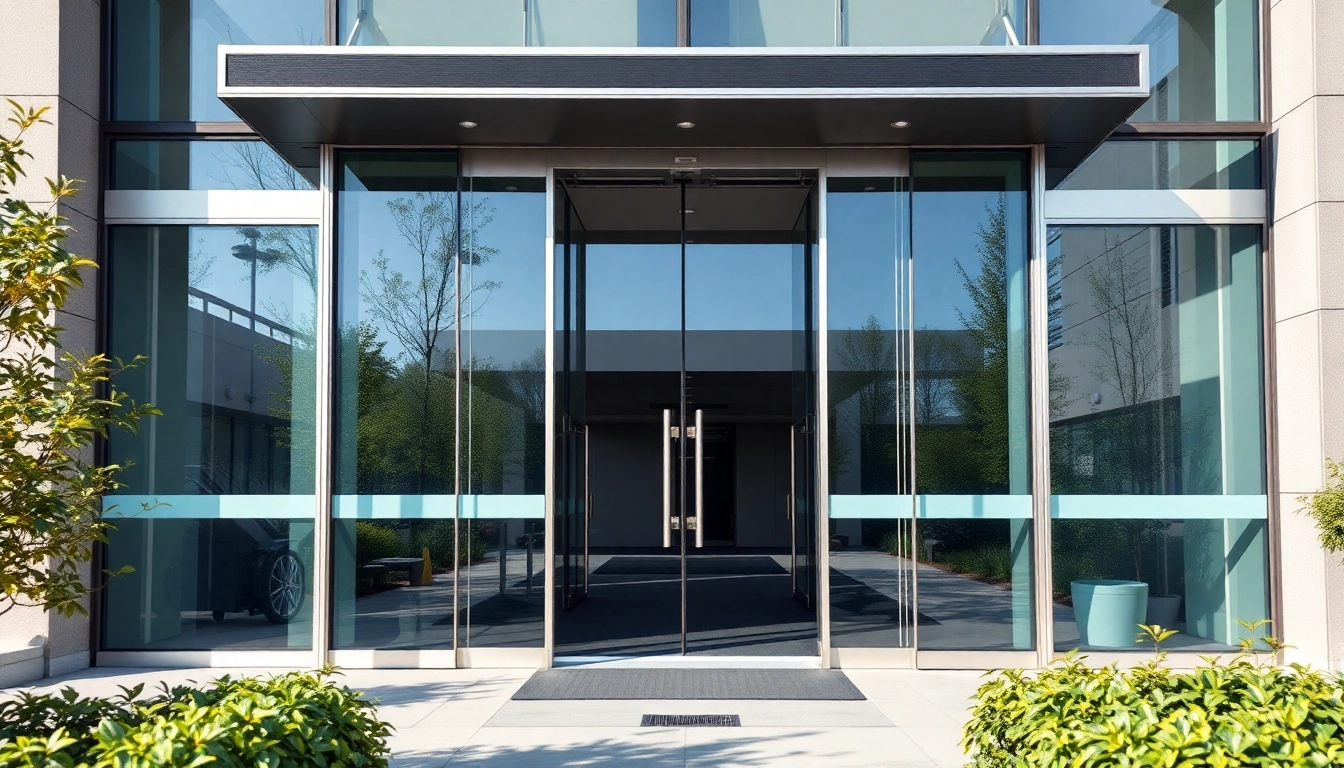
Commercial automatic doors are sophisticated entry systems designed to enhance convenience, security, and accessibility for businesses and their customers. These doors open and close automatically, eliminating the need for manual operation, which is particularly advantageous in high-traffic environments. Typically integrated with motion sensors or push buttons, these systems provide seamless access, making them ideal for retail stores, office buildings, hospitals, and hotels. The technology behind Commercial Automatic Doors has evolved, offering features that streamline entry while ensuring safety and energy efficiency.
Types of Commercial Automatic Doors
Understanding the different types of commercial automatic doors is essential for making informed decisions about installations. Here are the primary categories:
- Sliding Automatic Doors: These are the most common type used in commercial settings. They slide open from one side and are ideal for maximizing entry space in narrow hallways.
- Bi-Folding Doors: Bi-folding doors consist of two panels that fold back to one side, providing a wider opening. They are perfect for locations with limited space, enhancing both aesthetics and functionality.
- Revolving Doors: Typically found in hotels and large buildings, revolving doors allow for controlled access and climate control, making them energy-efficient as they minimize air exchange.
- Swing Doors: These doors open inwards or outwards and include automatic operation mechanisms that allow for smooth transitions in high-traffic environments.
- Telescopic Doors: Equipped with a sliding mechanism, these doors provide increased entrance width when open, making them suitable for venues that require both accessibility and spacious entry.
Benefits of Using Commercial Automatic Doors
Investing in commercial automatic doors brings numerous benefits to businesses, enhancing both operational efficiency and customer satisfaction.
- Improved Accessibility: Automatic doors accommodate individuals with disabilities, providing easier access to facilities without the burden of manual doors.
- Enhanced Safety: Many systems feature safety sensors that detect obstacles, preventing accidents while ensuring smooth operation.
- Energy Efficiency: Automatic doors can help in maintaining indoor temperatures, reducing HVAC costs and contributing to sustainability efforts.
- Increased Traffic Flow: These doors reduce bottlenecks during peak hours, allowing businesses to facilitate more customers and improve service delivery.
- Aesthetic Appeal: Sleek designs of automatic doors can improve the overall architectural line and branding of a business, attracting more clients.
Choosing the Right Commercial Automatic Doors
Factors to Consider When Selecting
Selecting the right commercial automatic door for your establishment hinges on various factors:
- Traffic Volume: It’s essential to assess the amount of foot traffic to ensure the chosen system can handle peak periods without failure.
- Space Availability: Consider the dimension of the entrance area. For limited spaces, bi-fold or sliding doors might be more appropriate.
- Accessibility Standards: Compliance with regulations such as the Americans with Disabilities Act (ADA) ensures that the door accommodates all individuals.
- Environmental Considerations: Look for doors that improve energy efficiency, particularly for climates requiring significant heating or cooling.
- Security Features: Depending on the business nature, integrating access control systems to enhance security may be crucial.
Common Mistakes to Avoid
When investing in commercial automatic doors, avoiding these common pitfalls can enhance your decision-making:
- Overlooking Maintenance: Many businesses neglect the regular upkeep required for these doors, leading to malfunction and increased costs down the line.
- Ignoring Compliance: Failing to adhere to local building codes and accessibility regulations can lead to significant penalties.
- Disregarding Energy Efficiency: Not considering energy-efficient options may lead to higher utility costs unnecessarily.
- Choosing Appearance Over Functionality: Prioritizing aesthetics over practical needs can result in a poor user experience.
- Inadequate Training: Staff should be trained on operating and troubleshooting the doors to ensure smooth operations.
Comparing Costs and Features
Understanding the costs associated with commercial automatic doors involves more than just the initial price of purchase. Businesses should consider:
- Initial Investment: The upfront cost of the door itself varies significantly based on type and features.
- Installation Costs: Professional installation can add to the overall cost, especially for complex systems.
- Long-term Maintenance: Factor in ongoing maintenance and potential repairs. Economically priced doors may not be cost-effective due to higher maintenance needs.
- Energy Efficiency: Consider how much energy a particular door might save over time, contributing to long-term savings.
- Warranty and Support: Evaluate the warranty period and the support offered by the manufacturer as part of the overall cost consideration.
Installation and Maintenance of Commercial Automatic Doors
The Installation Process Explained
Installing commercial automatic doors involves a series of steps that should be performed by qualified professionals:
- Site Assessment: Evaluating the site to determine the best door type and location.
- Measurements: Taking precise measurements of the opening to ensure optimal fit and function.
- Preparing the Site: Making necessary adjustments to the area, including electrical provisions and ensuring a clean space for installation.
- Installation: Securing the door frame, setting the track (for sliding types), and installing the drive unit and control system.
- Testing: Conducting thorough tests to check functionality, safety features, and adjustments before finalizing.
Maintenance Tips for Longevity
Regular maintenance is crucial to ensuring the longevity and reliability of commercial automatic doors. Here are some tips:
- Routine Inspections: Regular checks for wear and tear, including examining the track, sensors, and hardware.
- Cleaning: Keeping the door and track free from dirt and debris to ensure smooth operation.
- Lubrication: Apply lubricant to moving parts according to the manufacturer’s specifications.
- System Updates: Ensure that the software for any integrated systems is up to date to maintain compatibility and security.
- Professional Service: Engage technicians for annual servicing to spot potential issues before they escalate.
Signs Your Commercial Automatic Doors Need Repair
Recognizing the signs of malfunction early can save businesses from more extensive issues:
- Delayed Response: When doors take longer than usual to open or close, it may indicate mechanical issues.
- Unusual Noises: Scraping, grinding, or rattling noises could signal hardware problems.
- Sensor Failure: If sensors don’t detect motion or fail to respond, it’s time for a professional inspection.
- Frequent Jamming: Doors that regularly jam or do not operate smoothly require immediate attention.
- Visible Damage: Any visible damage to the door or frame can compromise security and should be addressed quickly.
Maximizing Efficiency with Commercial Automatic Doors
How to Improve Energy Efficiency
Improving energy efficiency with commercial automatic doors is essential for operational sustainability:
- Choose Insulated Designs: Opt for doors designed with energy-efficient materials to minimize heat loss.
- Implement Sensors: Utilize motion sensors for better control over when the doors open and close, conserving energy when the space is not occupied.
- Regular Maintenance: Ensure doors are sealed properly and operating smoothly to reduce energy wastage.
- Optimize Settings: Adjust the sensitivity settings of sensors to ensure they perform optimally without excessive opening and closing.
Access Control Integration
Access control systems can enhance security when integrated with commercial automatic doors, allowing for controlled entry based on specific criteria:
- Key Card Systems: This allows employees to gain access only during permitted hours, improving safety measures.
- Biometric Systems: Fingerprint or facial recognition technologies provide higher levels of security and prevent unauthorized access.
- Remote Access Systems: Enable monitoring and control of entry points even from off-site locations, providing necessary oversight.
- Visitor Management Systems: Streamline entry for guests while maintaining security protocols, recording visitor information automatically.
Enhancing Customer Experience
Commercial automatic doors can significantly enhance customer experience through convenience and accessibility:
- Smooth Entry: Automatic doors provide a seamless entry, particularly beneficial for parents with strollers or individuals with disabilities.
- Brand Image: Modern, sleek automatic doors convey a forward-thinking image, enhancing overall customer perception.
- Speed of Service: High traffic commercial environments benefit from the fast operation of automatic doors, ensuring efficient service delivery.
- Comfort: Climate-controlled environments are more pleasant for customers, especially in varying weather conditions.
Future Trends in Commercial Automatic Doors
Technological Innovations on the Horizon
The future of commercial automatic doors is promising, with several technological advancements expected to shape the industry:
- Smart Doors: Integration with the Internet of Things (IoT) will enable automatic doors to communicate with building management systems, improving safety and maintenance.
- Enhanced Sensor Technology: Improved sensing technology will provide better detection capabilities, reducing false activations and improving safety.
- Remote Monitoring: Facilities managers will increasingly use remote monitoring to oversee door functionality and performance, allowing for prompt action when needed.
- Energy Management Systems: Future systems will likely integrate with broader energy management strategies, optimizing operational efficiency and reducing costs.
Cultural Shifts Influencing Design
As consumer expectations evolve, so do the design trends for commercial automatic doors:
- Sustainable Materials: Increasing demand for eco-friendly materials will drive the production of doors using recycled or sustainably sourced materials.
- Customization: Businesses will seek tailored solutions that reflect their brand identity and meet specific functional needs.
- Minimalist Designs: A trend towards sleek, unobtrusive aesthetics will influence the design of automatic doors, focusing on functionality without sacrificing style.
- Integration of Art: Some establishments may opt to have doors that serve as art pieces, contributing to the overall ambiance while remaining functional.
Eco-Friendly Solutions & Sustainable Options
With growing environmental awareness, businesses will increasingly opt for eco-friendly automatic door systems:
- Energy-Efficient Mechanisms: Look for doors with features like automatic closing and low-energy opening protocols to minimize power consumption.
- Recyclable Materials: Selecting doors made from recyclable components will aid in sustaining the environment.
- Green Certifications: Seek products that meet environmental standards and carry certifications indicating sustainability.
- Lifecycle Assessments: Consider the entire lifecycle of the door product, from production to disposal, to ensure minimal ecological impact.
Frequently Asked Questions
How do I choose the right automatic door for my business?
Consider traffic volume, available space, and compliance with accessibility standards. Consult with professionals for specific recommendations suited to your needs.
Are automatic doors energy efficient?
Yes, automatic doors can significantly improve energy efficiency by minimizing temperature loss and reducing HVAC costs when properly installed and maintained.
What maintenance do automatic doors require?
Regular inspections, cleaning, lubrication of moving parts, and professional servicing are crucial for keeping automatic doors operational and extending their lifespan.
Can I integrate security systems with automatic doors?
Yes, automatic doors can be integrated with various access control systems, including key cards and biometric systems, enhancing security for your establishment.
How long do automatic doors typically last?
With proper maintenance, commercial automatic doors can last over ten years, though this lifespan may vary based on usage and environmental factors.