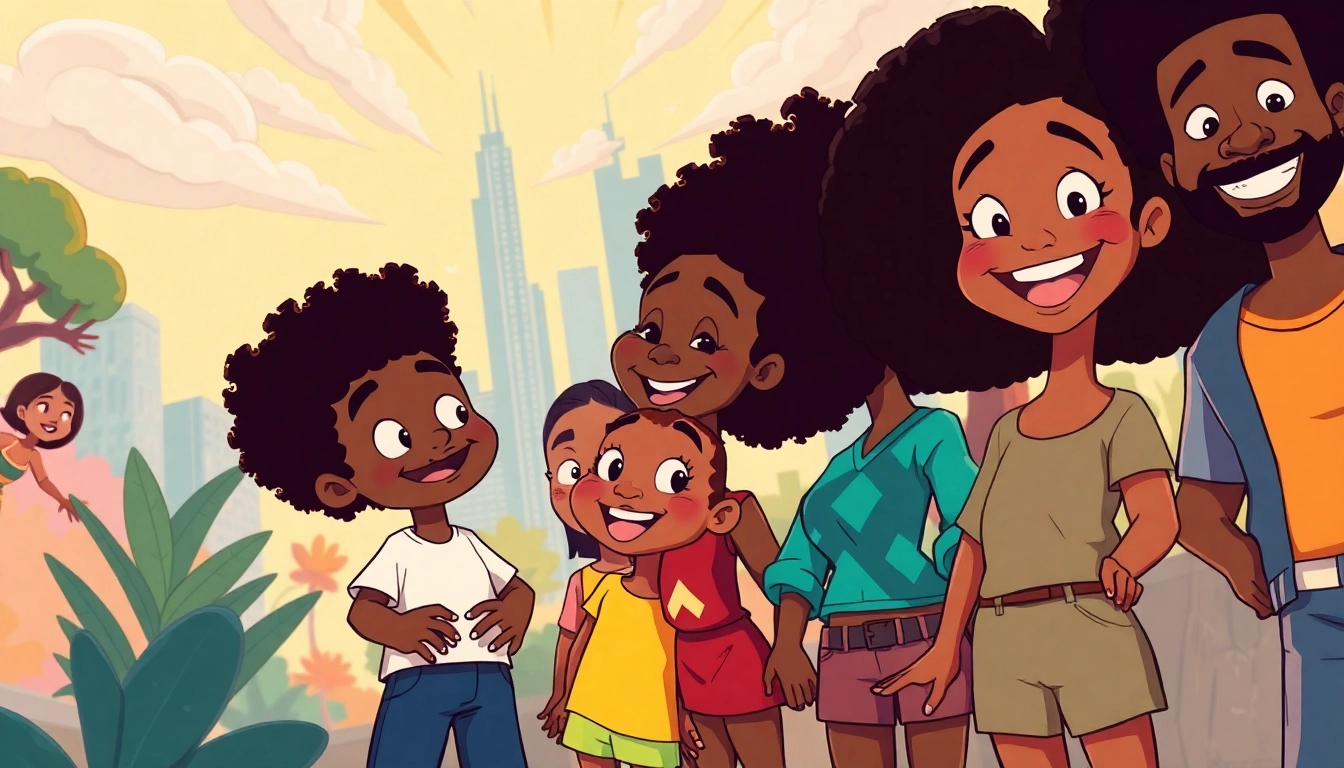
The Historical Significance of African American Cartoons
The world of animation has long served as a vital medium for storytelling, education, and cultural expression. Among the myriad of animated series and films, African American cartoons stand out for their unique narratives and cultural insights. From their origins in the early 20th century to contemporary masterpieces, these cartoons have played a pivotal role in shaping perceptions and promoting diversity within the animation industry. The cultural significance of these animations extends beyond entertainment; they serve as a reflection of society, encapsulating the struggles, joys, and experiences of African American communities. To delve deeper, African American Cartoons serve as a comprehensive resource for exploring this rich history.
Roots in Animation: A Brief Overview
The journey of African American cartoons began in the early days of animation, often overshadowed by their white counterparts. Notable milestones include the works of the pioneering animator Paul Robeson and characters such as the anthropomorphic figures in early cartoons that reflected racial stereotypes. However, as the animation industry evolved, so did the representation of African American culture through more nuanced and relatable characters. The introduction of characters that were not caricatures marked a significant shift towards authenticity in storytelling.
Pioneering Characters That Shaped Culture
Several groundbreaking characters have made indelible marks on the cultural landscape. For instance, the character of Fat Albert, created by Bill Cosby in the 1970s, offered a mix of humor and life lessons, resonating with audiences for generations. Similarly, The Boondocks, created by Aaron McGruder, challenged racial stereotypes and tackled social issues head-on, earning critical acclaim for its bold narratives and sharp humor. These characters helped pave the way for more diverse representation in animation, influencing both creators and audiences alike.
Impact on Black Representation in Media
The impact of African American cartoons extends beyond entertainment; these productions have actively contributed to the landscape of representation in media. The greater visibility of African American characters in popular animation has encouraged discussions about race, identity, and cultural heritage. With shows like The Proud Family and Craig of the Creek, the industry has made strides in showcasing the richness of African American culture, thus influencing how younger generations perceive themselves and their heritage.
Trending African American Cartoons of 2026
As we navigate through 2026, the landscape of African American cartoons is ever-evolving, offering new narratives and diverse storytelling techniques. This year promises a wealth of animated content that resonates with both children and adults, reflecting contemporary issues and celebrating cultural identity.
The Rise of New Animated Series
With the advent of streaming platforms and digital media, several new animated series have emerged, capturing the attention of viewers worldwide. Series like “Young Justice: Phantoms” and “Maya and the Three” integrate African American representation into their broader storytelling, showcasing complex characters and rich story arcs. These series are not only entertaining but also serve as vehicles for social commentary, addressing issues like systemic racism and cultural pride.
Innovative Storytelling Techniques
Today’s African American cartoons employ innovative storytelling techniques that engage audiences in unique ways. For example, blending traditional animation with live-action elements has gained popularity, creating immersive experiences. Educational shows like “Doc McStuffins” not only entertain but also provide valuable lessons about healthcare and empathy, making them appealing to younger audiences. This creative approach to storytelling helps in fostering understanding and compassion among children from diverse backgrounds.
Character Development and Cultural Relevance
Character development has become increasingly sophisticated in modern African American cartoons. Shows are focusing on multi-dimensional characters who struggle with relatable issues, allowing viewers to connect with them on a deeper level. For instance, characters in “The Proud Family: Louder and Prouder” explore themes of family, friendship, and resilience, showcasing the importance of cultural identity in personal growth. This focus on cultural relevance is instrumental in shaping a generation that values diversity and inclusivity.
Top 10 Must-Watch African American Cartoons
As we celebrate the rich tapestry of African American animation, here are ten must-watch cartoons that have significantly influenced the industry and popular culture, both historically and currently.
Classics That Made an Impact
- Fat Albert and the Cosby Kids – This iconic series introduced viewers to a group of friends navigating the challenges of adolescence while tackling social issues.
- The Boondocks – A sharp social commentary wrapped in humor, this series remains relevant for its critique of contemporary culture.
- The Proud Family – A trailblazer in representation, this series focuses on a young African American girl and her family, emphasizing cultural themes.
Recent Hits You Shouldn’t Miss
- Craig of the Creek – This series captures the essence of childhood adventures while showcasing diverse characters and friendships.
- Doc McStuffins – A modern classic, this series highlights the importance of health and empathy through its young protagonist.
- Young Justice – Known for its mature themes and complex characters, this series has garnered a loyal fan base and critical acclaim.
Up-and-Coming Series to Keep an Eye On
- Big Mouth – With its bold take on adolescence, this series provides humor while addressing issues of identity and growing up.
- Spirit Riding Free: Pony Tales – This animated series embraces themes of friendship and adventure with a strong female lead.
- My Dad the Bounty Hunter – A new entry into the realm of action-comedy, this series promises exciting storylines and dynamic characters.
Analyzing Cultural Themes in African American Cartoons
To understand the cultural significance of African American cartoons, it is vital to analyze the recurring themes that shape their narratives. These themes not only entertain but also educate and provoke thought among viewers.
Social Commentary Through Animation
Many African American cartoons are not shy about including social commentary in their storylines. For instance, The Boondocks often delves into topics such as racism and social justice, using humor to address serious issues. By presenting these themes through the lens of animation, they become accessible to a wider audience, sparking important conversations about societal norms.
Exploring Identity and Heritage
Identity and heritage are central themes in many African American cartoons. Characters often navigate their cultural backgrounds, learning to embrace their roots while also facing the challenges that come with them. Shows like “Maya and the Three,” while not exclusively African American, incorporate elements of African culture, enriching the storytelling experience.
The Role of Humor and Satire
Humor and satire are powerful tools in African American cartoons that allow for the exploration of complex issues. By employing these elements, creators can convey messages about race, identity, and society while keeping the audience engaged. This unique blend of comedy with serious themes creates a compelling narrative that resonates deeply with viewers.
Future Trends in African American Animation
The future of African American animation is bright, with emerging talent and innovative storytelling on the horizon. The commitment to representation and authentic narratives continues to shape the landscape of the industry.
Emerging Talent and New Voices
A new generation of animators is bringing fresh perspectives to the industry. As diversity in animation grows, so does the opportunity for unique storytelling that reflects the experiences of African Americans. New creators are stepping up to share their narratives, ensuring that the voices of the community are represented authentically.
Technological Innovations in Animation
Technological advancements are revolutionizing the way animation is created and consumed. Tools like CGI and virtual reality are expanding the boundaries of storytelling, allowing for more immersive experiences. As these technologies become more accessible, we can expect an increase in unique animation styles and narratives that engage audiences in innovative ways.
Predictions for Representation and Storytelling
As the animation industry continues to evolve, we anticipate even greater strides in the representation of African American characters and stories. The demand for authenticity and diversity will likely shape the types of stories that are told, ensuring that future generations see their experiences reflected on screen. The ongoing commitment to social justice and representation in animation will play a crucial role in this evolution.