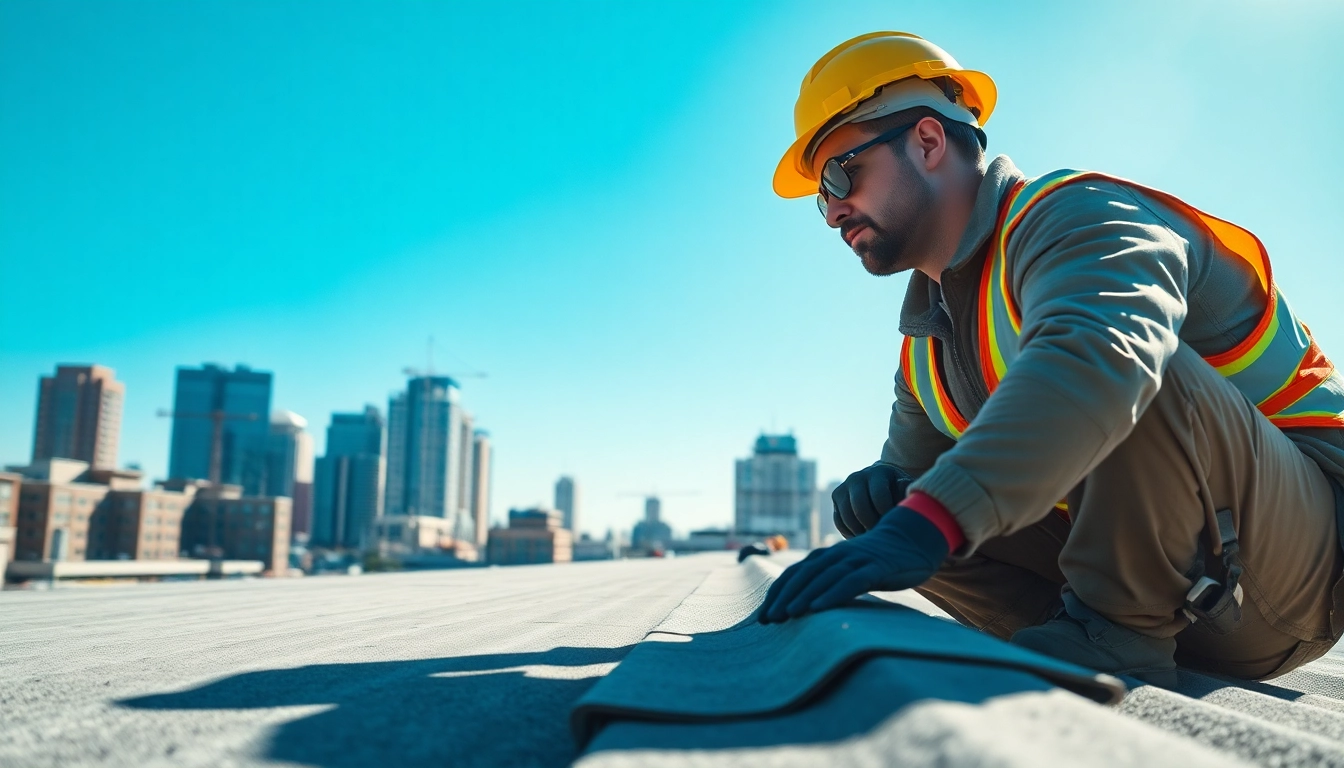
Understanding Commercial Roofing Services
What Are Commercial Roofing Services?
Commercial roofing services encompass a range of specialized solutions designed to meet the distinctive needs of businesses. Whether it involves roof installation, replacement, or maintenance, the focus is on providing high-quality and durable roofing systems that protect commercial buildings. These services vary from residential roofing due to the scale and complexity of commercial properties, requiring expert knowledge and advanced techniques. Commercial roofing services typically involve an array of roofing materials including membranes, metal, shingle, and more, each suited to different environmental conditions and structural requirements.
The Importance of Quality Roofing for Businesses
A solid roof is fundamental for any business—it safeguards not only the structure but also the valuable assets within. High-quality roofing can prevent water leaks, reduce energy costs, and enhance the overall aesthetics of the building. It is often one of the largest investments a business makes regarding infrastructure, and improper installation or low-quality materials can lead to significant long-term costs in repairs and energy efficiency loss. Additionally, quality roofing helps to comply with local building codes and standards, protecting businesses from legal issues.
Types of Commercial Roofing Services Available
Commercial roofing services can be classified into several key categories:
- Roof Installation: This includes installing new roofing systems on newly constructed buildings or replacing old roofs.
- Roof Repair: These services address problems like leaks, punctures, or water damage, ensuring longevity and functionality.
- Maintenance: Regular inspections and upkeep can prevent major issues down the line, prolonging the life of the roof.
- Roof Replacement: When roofs reach the end of their lifespan, replacement is necessary to maintain safety and efficiency.
- Emergency Services: Immediate assistance in the event of severe weather damage or other urgent situations to prevent further complications.
Choosing the Right Commercial Roofing Service
Factors to Consider When Selecting a Service
Choosing the right commercial roofing service is critical for ensuring the longevity and efficiency of your roof. Here are some vital factors to consider:
- Experience and Expertise: Look for contractors with substantial experience in commercial roofing, as different buildings may require different approaches.
- Reputation: Research online reviews, testimonials, and case studies to gauge the reliability and quality of the service provider.
- Licensing and Insurance: Ensure the contractor has the necessary licenses, certifications, and insurance coverage to protect both the workers and your property.
- Warranty Options: Quality contractors often offer warranties on materials and workmanship, providing assurance in their services.
- Range of Services: A contractor that offers a comprehensive range of services can be beneficial for ongoing maintenance and future needs.
Evaluating Service Providers and Their Expertise
When evaluating potential service providers, it is essential to ask probing questions that assess their expertise and reliability:
- What type of roofs do you specialize in?
- Can you provide references from similar projects you've completed?
- What certifications do you hold relevant to commercial roofing?
- How do you approach safety and compliance on-site?
- What are your processes for project management and quality control?
Engaging in conversations and scrutinizing past projects will provide insight into how the provider operates and whether they align with your expectations.
Questions to Ask Before Hiring
Before making a final decision, consider asking these additional questions:
- What materials do you recommend for my specific needs, and why?
- How do you handle unexpected costs or changes during the project?
- What is the projected timeline for completion?
- Will there be a dedicated project manager for my job?
- Do you have a documented process for addressing complaints or issues post-work?
These questions can greatly assist in ensuring transparency and aligning expectations.
Common Challenges in Commercial Roofing
Identifying Common Roofing Problems
Despite ensuring high-quality roofing installation, various challenges can arise over time. Common roofing problems include:
- Leaks: Often caused by improper installation, age, or wear, leaks can lead to significant interior damage if not promptly addressed.
- Membrane Damage: For flat roofs, punctures or tears in roofing membranes can lead to water pooling and further issues.
- Growth of Moss and Algae: Particularly in humid climates, organic growth can degrade roofing materials and affect aesthetics.
- Structural Damage: Weak or sagging sections can indicate underlying issues that need professional attention.
Preventative Maintenance for Longevity
The key to avoiding many roofing challenges lies in a robust preventative maintenance routine. Regular inspections—at least twice a year—can identify potential issues early. A qualified contractor can conduct these assessments, checking for signs of wear and tear, debris accumulation, and assessing drainage systems.
Additionally, proactive maintenance tasks may include cleaning gutters, removing debris, and addressing minor repairs before they become significant problems. Implementing a regular schedule helps to extend the roof's lifespan significantly.
Safety Considerations in Commercial Roofing
Safety is paramount in commercial roofing projects due to the inherent risks involved in working at heights and managing heavy materials. Contractors should prioritize the use of Personal Protective Equipment (PPE) and follow safety protocols, including harnesses, guardrails, and hard hats for workers. Proper training and adherence to local safety regulations are essential to avoid accidents on-site.
Employing established safety practices not only protects workers but also shields your business from potential liability and downtime.
Benefits of Professional Commercial Roofing Services
Cost-Effectiveness and Value for Businesses
Hiring a professional for commercial roofing projects translates to long-term cost savings. While the initial investment may seem significant, quality roofing reduces the likelihood of costly repairs, extends functionality, and enhances energy efficiency. Over time, the benefits of investing in a professional service can outweigh the costs involved, providing value for both immediate and future needs.
Enhancing Property Aesthetics and Functionality
Quality commercial roofing not only protects your assets but also enhances the visual appeal of the property. A well-maintained roof can significantly impact the curb appeal of your business, thereby attracting customers and retaining value. Furthermore, modern roofing materials come in various styles and colors, allowing businesses to select options that align with their branding and aesthetic preferences.
Protecting Investments Through Reliable Maintenance
Regular maintenance through professional roofing services safeguards the initial investment in a commercial roof. By addressing minor issues promptly and performing routine checks, businesses can avoid the higher costs associated with major repairs. Furthermore, a reliable maintenance program can promote better energy efficiency, ultimately leading to lower utility bills and a reduced environmental footprint.
Implementing Commercial Roofing Solutions
Step-by-Step Guide to Installing Commercial Roofs
Implementing a commercial roofing system can be a complex process, but understanding the typical stages can demystify it:
- Pre-Installation Meeting: Align expectations, finalize materials, and discuss the scope of work.
- Site Preparation: Clear the area, ensuring safe access and preparing for material delivery.
- Roof Installation: Install the selected roofing material following best practices and building codes.
- Post-Installation Inspection: Conduct a thorough check to ensure all aspects meet the required standards.
- Finalization: Complete any necessary paperwork, warranty documentation, and establish a maintenance schedule.
Best Practices for Ongoing Roof Maintenance
To ensure the longevity of a commercial roof, consider the following best practices in ongoing maintenance:
- Establish a regular inspection schedule.
- Seal any cracks or openings immediately to prevent leaks.
- Ensure drainage systems are clear of debris and functioning correctly.
- Document maintenance activities for warranties and future reference.
Measuring Performance and Effectiveness of Roofing
To gauge the effectiveness of roofing systems, businesses should evaluate performance over time through:
- Regular inspections tracking leaks and damage.
- Monitoring energy consumption and costs.
- Analyzing customer feedback regarding building conditions.
- Reviewing compliance with building codes and regulations.
This data not only informs decision-making regarding maintenance or replacement but also highlights areas for improvement within the service provider's performance.