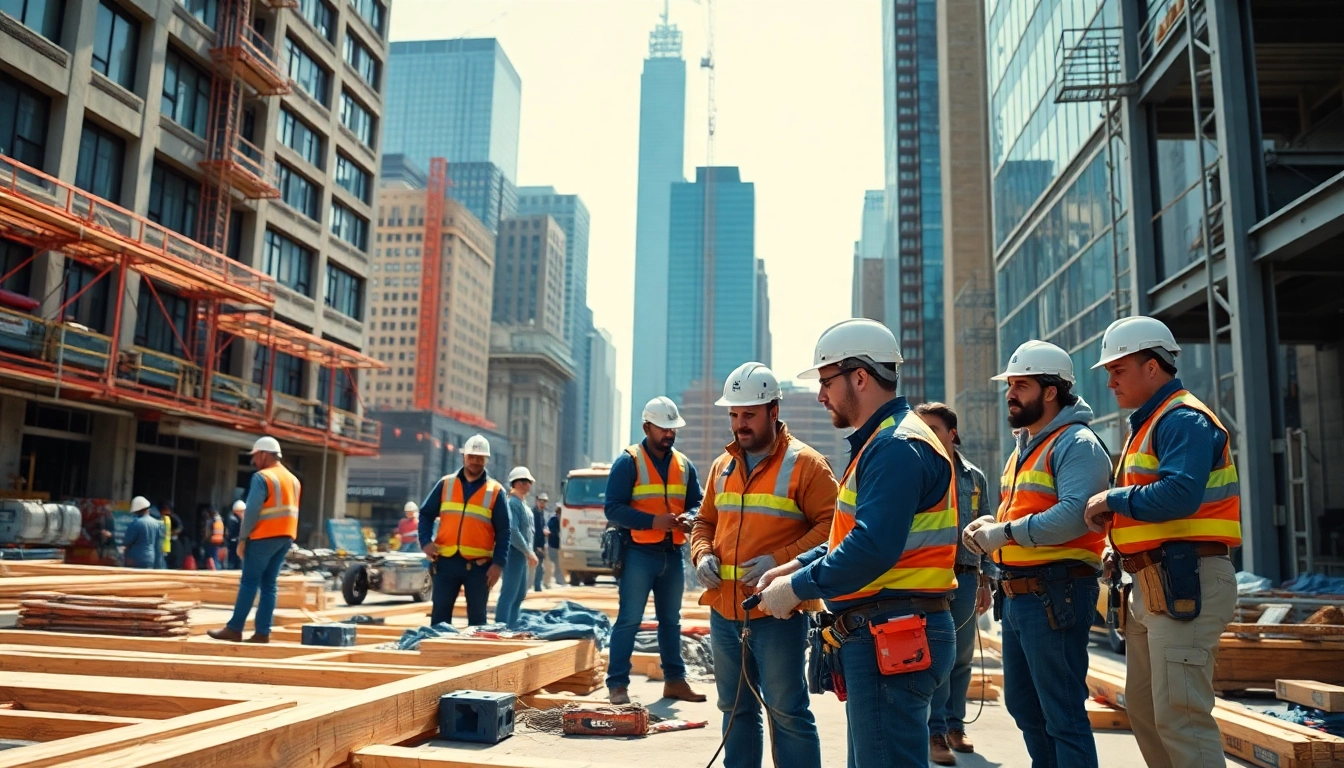
Understanding the Role of a New York Commercial General Contractor
When it comes to constructing, renovating, or managing commercial properties in New York, the role of a New York Commercial General Contractor becomes pivotal. These professionals bring together multiple elements of the construction process, ensuring projects are completed on time, within budget, and to the desired quality standards. This article explores their responsibilities, importance, and the types of projects they manage.
Defining Key Responsibilities
The responsibilities of a commercial general contractor are multifaceted. Primarily, they serve as the main point of contact for all stakeholders involved in a project. Here is a breakdown of their key responsibilities:
- Project Management: Overseeing the entire construction process from planning through execution, ensuring that all aspects are delivered according to the project specifications.
- Budget Management: Developing and managing the project budget, including estimating costs, securing financing, and managing resources efficiently.
- Scheduling: Creating and maintaining a project timeline to ensure that the construction process adheres to deadlines.
- Quality Control: Ensuring that all work meets industry standards and regulations, maintaining a high quality of work throughout the construction process.
- Staffing: Hiring subcontractors and laborers as needed and coordinating their work, ensuring they align with the overall project goals.
- Permitting: Navigating through the necessary governmental permits and regulatory requirements to legally commence and complete the work.
Importance of Skilled Management
The management skills of a commercial general contractor directly impact the success of a project. The complexity of construction projects in New York requires a deep understanding of both construction and business management. Skilled management ensures effective communication among diverse parties, including architects, engineers, suppliers, and subcontractors. Their ability to resolve conflicts, make quick decisions, and leverage their experience to navigate unforeseen circumstances significantly enhances project outcomes.
Project Types Handled by Contractors
Commercial general contractors in New York handle a wide variety of project types including:
- Office Buildings: Constructing and renovating spaces to accommodate the needs of modern businesses.
- Retail Spaces: Managing the construction of shops and complexes that cater to customer experiences.
- Industrial Facilities: Constructing warehouses, factories, and distribution centers that require specialized construction techniques.
- Healthcare Facilities: Building hospitals, clinics, and other essential healthcare infrastructures, adhering to stringent regulatory standards.
- Hospitality Projects: Developing hotels and resorts that require meticulous planning and execution to enhance guest experience.
Choosing the Right New York Commercial General Contractor
Choosing the right commercial general contractor can make or break a project. With numerous options available, making an informed decision is crucial. Here are some important criteria to consider when selecting a contractor:
Criteria for Selection
The criteria for selecting a commercial general contractor should include aspects such as:
- Experience: Look for a contractor who has substantial experience in the type of project you are undertaking. Their history can indicate their ability to manage similar projects effectively.
- Reputation: Research the contractor's reputation in the industry, including client testimonials and case studies. A good reputation often translates to quality work.
- Financial Stability: Evaluate their financial health to ensure they have the resources to complete your project without issues.
- Licensing and Insurance: Verify that the contractor is licensed to operate in New York and carries necessary insurances, safeguarding you from potential liabilities.
- Communication Skills: The contractor should be able to communicate effectively with clients, stakeholders, and team members to ensure clarity throughout the project.
Evaluating Experience and Expertise
It's vital to evaluate the contractor’s experience and expertise in your specific project type. Tools and strategies to gauge their qualifications might include reviewing their portfolio, checking references, and discussing their previous projects in depth. Ask direct questions about challenges they faced and how they overcame them to understand their problem-solving abilities.
Checking Credentials and References
Once you have narrowed down your options, it's essential to check the credentials and references of potential candidates. This can include:
- Requesting a list of completed projects along with client references.
- Contacting previous clients to gauge their satisfaction with the contractor's performance.
- Verifying any professional affiliations or memberships in relevant industry organizations.
- Reviewing any legal disputes or issues that may have arisen in their professional history.
Best Practices for Working with New York Commercial General Contractors
Once you have selected a commercial general contractor for your project, establishing a productive working relationship is critical. Here are best practices to ensure smooth collaboration:
Creating Effective Communication Channels
Establishing effective communication channels is a fundamental aspect of working with a contractor. Set expectations for communication frequency, preferred methods (in-person meetings, emails, etc.), and outlines for reporting progress. Regular check-ins can help mitigate issues before they escalate.
Setting Clear Objectives and Timelines
At the outset of the project, clearly define objectives and timelines. Ensure that the contractor understands your vision, budgetary constraints, and project deadlines. Aligning expectations early helps foster accountability and streamlines the project flow.
Leveraging Technology for Collaboration
Utilizing technology can significantly enhance collaboration between you and your contractor. Consider project management software that allows for sharing project updates, timelines, and documentation. This transparency can improve workflow and keep all parties informed regarding project status.
Common Challenges and Solutions
Even with the best planning, challenges may arise during construction. Identifying these common issues and understanding solutions is essential:
Navigating Regulatory Requirements
Construction projects involve numerous regulatory requirements that can be overwhelming. A knowledgeable commercial general contractor understands local zoning laws, building codes, and permits. They can streamline the process and handle any compliance issues, allowing you to focus on the project's goals.
Budget Overruns and Financial Planning
Budget overruns are a common challenge in construction. To prevent this, collaborate with your contractor to establish a realistic budget that includes contingencies for unexpected expenses. Regular budget reviews will keep spending in check and ensure that any financial adjustments are made proactively.
Addressing Delays and Disputes
Delays can arise from various sources, including weather, supply chain issues, and labor availability. Work with your contractor to develop a flexible schedule that accommodates potential delays. In case of disputes, having clear communication channels and project documentation can facilitate resolution and maintain positive working relationships.
Metrics for Evaluating Contractor Performance
To ensure the contractor meets your expectations, it's vital to establish metrics for evaluating performance throughout the project. Key performance indicators (KPIs) to monitor include:
Key Performance Indicators
Typical KPIs for evaluating a contractor's performance can include:
- On-time Delivery: Measure whether project milestones and final completion meet scheduled timelines.
- Quality of Work: Regularly assess work based on predetermined quality standards and check for compliance with specifications.
- Budget Adherence: Monitor actual spending against the budget to assess financial management capabilities.
- Client Satisfaction: Solicit feedback from team members and clients regarding their experience with the contractor's work and communication.
Feedback and Continuous Improvement
Collecting feedback at project milestones helps inform necessary adjustments during construction. Maintaining open feedback loops with the contractor allows for continuous improvement and ensures alignment with project goals. Training and performance reviews based on feedback foster a culture of excellence.
Success Stories from Projects
Analyzing successful project outcomes can provide insights into effective practices. Look for case studies where contractors identified and implemented innovative solutions or strategies that led to exceptional results. Understanding these success stories can guide future projects and enhance collaboration.