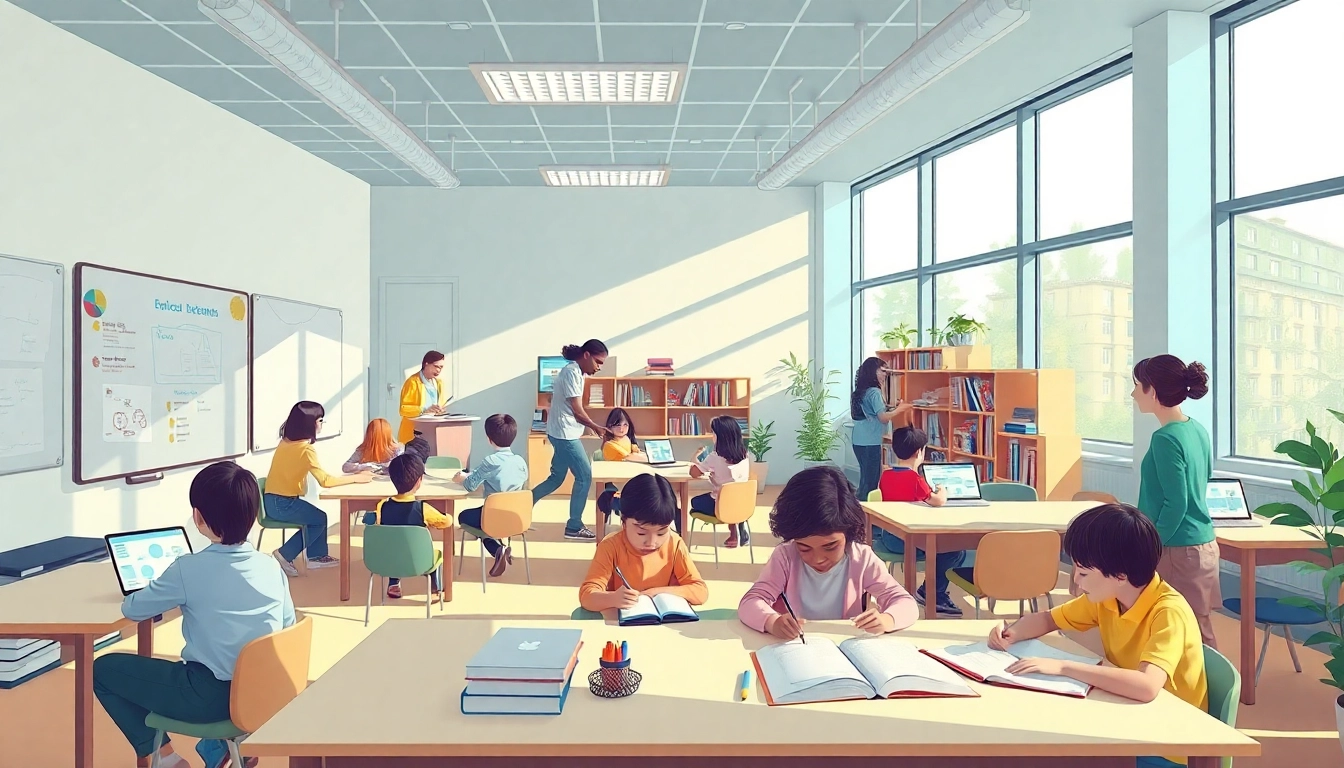
Understanding the Fundamentals of Education
Definition and Importance of Education
Education serves as the cornerstone of personal and societal development. It encompasses the processes through which individuals acquire knowledge, skills, values, and attitudes. But what truly defines education? According to widely accepted viewpoints, it is not merely the accumulation of facts but the ability to think critically, solve problems, and engage meaningfully with the world around us. This holistic understanding underscores the profound importance of Education as a pivotal stage in fostering informed citizens and driving social progress.
Key Components of Effective Learning
Effective learning is multi-faceted, involving various critical components such as:
- Curriculum and Content: The structure and materials used in educational settings are vital to the learning experience. A well-rounded curriculum that is relevant and up-to-date engages students and fosters deeper understanding.
- Teaching Methods: The methods employed by educators can significantly affect student engagement and learning outcomes. Techniques like interactive learning and immersive experiences have shown to yield better retention of information.
- Assessment and Feedback: Regular assessments, both formative and summative, along with constructive feedback, help students identify areas for improvement, encouraging growth and development.
- Support Systems: Resources such as counseling, tutoring, and mentorship facilitate an environment where students feel valued and motivated to learn.
Challenges in Accessing Quality Education
Despite the recognized importance of education, numerous challenges persist worldwide. Among these are:
- Socioeconomic Barriers: Students from low-income backgrounds often confront obstacles such as inadequate resources, leading to significant disparities in educational outcomes.
- Geographical Disparities: Rural areas frequently enjoy limited access to quality educational facilities and qualified educators, further exacerbating inequities.
- Cultural and Linguistic Barriers: Students from diverse backgrounds may struggle to assimilate into traditional educational systems that do not account for their cultural contexts or languages.
- Technological Divide: The rapid advancement of technology, while beneficial in many ways, has widened the gap between those who have access to digital resources and those who do not.
Exploring Different Types of Education
Formal vs. Informal Education
Education manifests in various forms, with formal and informal education being two primary categories:
- Formal Education: This structured approach typically occurs within institutional settings, such as schools and universities. It is characterized by a formal curriculum, evaluation criteria, and certification. Examples include primary, secondary, and higher education, all of which follow standardized curricula.
- Informal Education: Contrarily, informal education takes place outside traditional classrooms. It includes family learning, community programs, and experiential learning opportunities. While often unstructured, informal education offers valuable insights and life skills that are equally crucial to personal development.
Online Education: Pros and Cons
With the surge in technology, online education has gained immense traction. However, it presents both advantages and drawbacks:
Pros:
- Flexibility: Online courses allow learners to access materials at their convenience, accommodating different learning styles and schedules.
- Diverse Offerings: The range of online programs is vast, encompassing various subjects, skill levels, and formats.
- Accessibility: Online education often reduces geographical barriers, enabling participation from learners who may not have access to traditional institutions.
Cons:
- Limited Social Interaction: Many learners miss out on the interpersonal relationships and collaborative opportunities provided by traditional settings.
- Self-Motivation Required: Online education requires a high level of self-discipline and intrinsic motivation, which can be challenging for some students.
- Quality Variation: The quality of online educational programs can fluctuate widely, making it essential for learners to conduct diligent research.
Alternative Education Models
Alternative education models present innovative approaches to learning that frequently challenge conventional practices. Some notable examples include:
- Montessori Method: Focused on student-led learning and hands-on experiences, this method promotes independence and critical thinking skills.
- Waldorf Education: This approach emphasizes creativity and imagination, integrating arts into the core curriculum while respecting developmental stages.
- Project-Based Learning: Encouraging collaboration and real-world problem solving, project-based learning enables students to engage deeply with their educational material.
Best Practices for Effective Teaching
Engaging Teaching Methods
Educators can employ a wide range of strategies to foster engagement:
- Interactive Learning: Active participation through discussions, group work, and hands-on activities cultivates engagement and enthusiasm.
- Real-World Applications: Relating lessons to real-life situations reinforces the relevance of educational material, helping students grasp concepts more effectively.
- Differentiated Instruction: Tailoring lessons to meet diverse learning needs ensures that all students can thrive, regardless of their style.
Assessing Student Learning
Effective assessment strategies are essential for understanding student progress and informing instruction:
- Formative Assessments: Conducted throughout the learning process, formative assessments provide ongoing feedback and identify areas needing improvement.
- Summative Assessments: Typically occurring at the end of a learning unit, summative assessments evaluate overall learning outcomes and mastery of content.
- Peer Assessment: Involving students in assessing their peers encourages collaboration and critical evaluation skills.
Incorporating Technology in Education
Harnessing technology can significantly enhance the educational experience:
- Interactive Tools: Utilizing applications and platforms that encourage engagement through gamification fosters motivation and participation.
- Digital Resources: Providing access to e-books, videos, and online databases expands learning materials and enriches understanding.
- Blended Learning Models: Combining online and in-person instruction can offer the best of both worlds, catering to various learning preferences.
The Role of Parents and Community in Education
Supporting Student Learning at Home
Parents play a pivotal role in their children's education, significantly impacting their academic success:
- Creating a Learning Environment: Developing a dedicated space for study, providing resources, and fostering routines can enhance a child's learning experience.
- Encouraging Curiosity: Supporting children’s interests and inquiries inspires a lifelong love of learning.
- Communicating with Educators: Maintaining open lines of communication with teachers helps parents stay informed about their child’s progress and ways to support their learning.
Community Involvement in Schools
Active community participation strengthens the educational ecosystem:
- Volunteer Programs: Engaging community members can provide valuable resources and support for students and educators.
- Partnerships with Local Organizations: Collaborations with businesses and non-profits can enhance educational programs and introduce students to career opportunities.
- Public Engagement: Holding community forums and events fosters a sense of ownership and accountability in the education system.
Building Strong Relationships with Educators
The relationship between parents and educators has a significant influence on student success:
- Frequent Communication: Regular updates and discussions about students’ academic and emotional well-being build trust and collaboration.
- Shared Goals: Aligning on academic goals and educational values can provide a unified approach to their child's education.
- Participatory Approach: Involving parents in classroom activities and decisions encourages engagement and investment in the school community.
Future Trends in Education
The Impact of Artificial Intelligence on Learning
Artificial Intelligence (AI) is poised to revolutionize education:
- Personalized Learning: AI-driven platforms can adapt instructional content to meet individual learners’ needs, enhancing engagement and efficacy.
- Administrative Efficiency: Automation of administrative tasks allows educators more time to focus on teaching and mentorship.
- Data-Driven Decision Making: Analyzing student performance data can inform instructional practices and interventions.
Global Education Initiatives
International efforts to improve education are gaining momentum:
- Sustainable Development Goals: Global initiatives aim to provide inclusive and equitable quality education for all.
- Teacher Training Programs: Investing in professional development for educators ensures higher-quality teaching globally.
- Collaborative Learning Networks: Promoting partnerships among countries encourages sharing of best practices and resources.
Preparing for a Changing Workforce
As the job market evolves, education must adapt to meet future demands:
- Emphasizing Essential Skills: Critical thinking, creativity, and emotional intelligence are becoming increasingly important in the workforce.
- Career Readiness Programs: Integrating vocational training and internships into educational curricula prepares students for real-world challenges.
- Lifelong Learning: Encouraging a growth mindset prepares individuals to embrace continuous learning throughout their careers.