The Appeal of Living in Cabo as an Expat
Cabo San Lucas, located at the southern tip of the Baja California Peninsula, is renowned for its stunning beaches, vibrant nightlife, and welcoming atmosphere. For many expats, the decision to relocate to Cabo is not just about a change of scenery but a pursuit of a new lifestyle that blends adventure with relaxation. This article explores the ins and outs of Living in Cabo as an expat, detailing the advantages, legal considerations, community connections, and cultural immersion that make this destination so appealing.
Why Choose Cabo? Key Benefits
One of the primary reasons expats flock to Cabo is its idyllic climate. With warm temperatures year-round, the region is perfect for those looking to escape the colder climates found in other parts of the world. This geographical advantage not only enhances outdoor activities but also supports a lifestyle centered around health and wellness.
Additionally, Cabo offers a low cost of living compared to many Western countries. Housing options are diverse, ranging from beachfront properties to affordable apartments in vibrant neighborhoods. Furthermore, the local market provides fresh produce and goods at a fraction of the price compared to North America, allowing expats to enjoy a higher quality of life without breaking the bank.
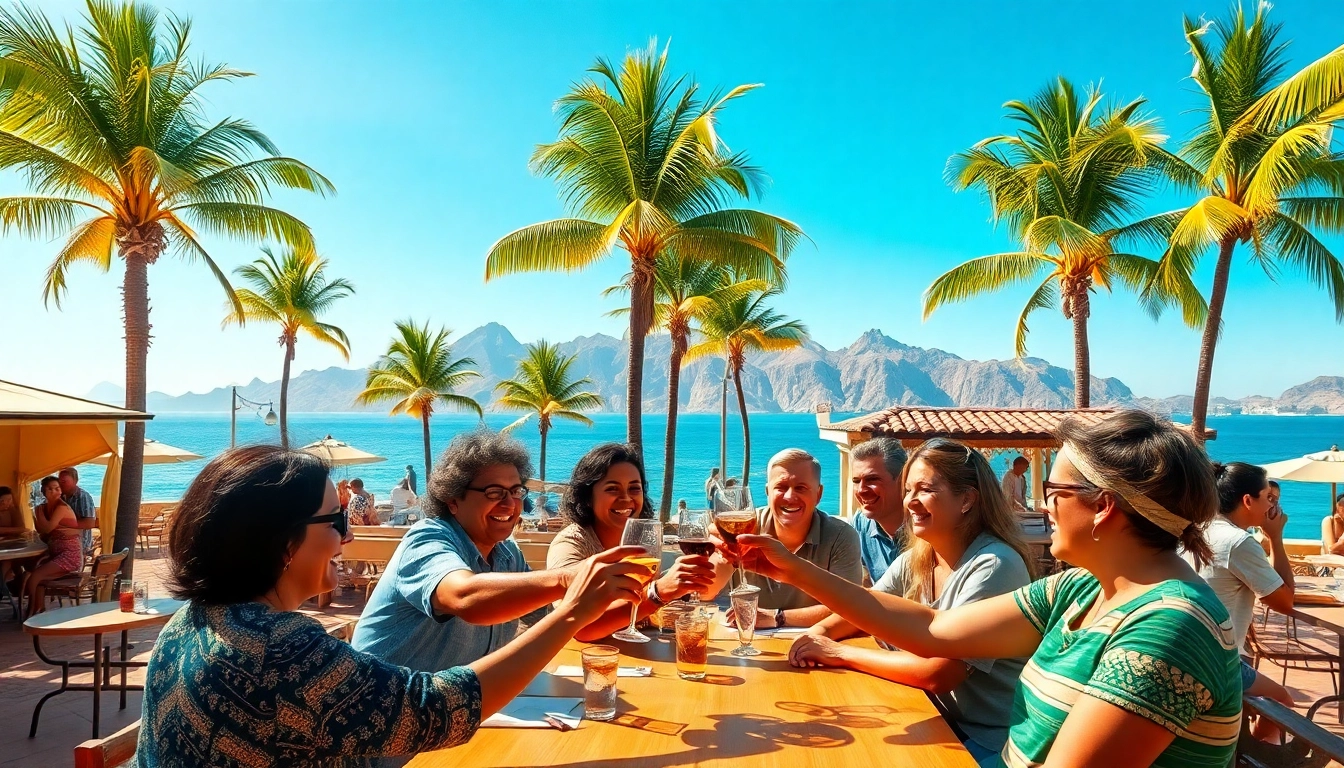
Cabo's vibrant community is another significant draw. The city has a large population of foreign residents, creating an inclusive environment where newcomers can easily find their tribe. Expats often participate in shared activities, fostering a sense of belonging and camaraderie that can be hard to find elsewhere.
Cost of Living and Housing Options
Understanding the cost of living is crucial when considering a move to Cabo. Generally, consumer prices in Cabo are lower than those in many major urban centers in the United States or Canada. However, it's important for prospective expats to conduct research and budget accordingly. For example, while real estate prices can vary significantly, renting an apartment in a desirable area typically ranges from $600 to $1,500 monthly, depending on location and amenities. Purchasing property is also viable, thanks to laws that allow foreigners to buy real estate through bank trust agreements.
Additionally, while utilities can be higher than some expect, especially in peak summer months, most expats find that their overall living expenses remain reasonable, enabling a comfortable lifestyle. In consideration of housing, new residents should explore neighborhood options tailored to their lifestyle preferences, including family-friendly areas, bustling nightlife, or tranquil beach towns.
Cultural Experiences and Community Life
Living in Cabo provides easy access to rich cultural experiences. The area is steeped in traditions and events, from lively festivals celebrating local art and music to food fairs showcasing authentic Mexican cuisine. Integrating into the local community often requires participation in these cultural phenomena, fostering deeper connections with both expats and locals alike.
Moreover, Cabo's expat community often organizes events such as charity fundraisers, beach cleanups, and cultural exchanges, encouraging newcomers to engage and contribute positively to the area. The opportunity to explore neighborhood markets, culinary classes, and art workshops further underlines the vibrant lifestyle available in Cabo.
Navigating Legalities and Logistics
Visa Requirements for Expats
Relocating to Cabo does require careful navigation of immigration regulations. Expats typically explore two main visa options: the Temporary Resident Visa and the Permanent Resident Visa. The Temporary Resident Visa is ideal for those looking to live in Mexico for more than six months and up to four years. This visa can often be converted to a Permanent Resident Visa, allowing for endless living in the country.
For those moving to Cabo, it’s advisable to consult with legal experts specializing in immigration to ensure all applications and documentation comply with Mexican law. Understanding the distinctions and eligibility criteria is crucial for a smooth transition into expat life.
Healthcare Access in Cabo
Healthcare accessibility is a significant consideration for expats moving to Cabo. Fortunately, the region has both public and private healthcare systems. While public healthcare can be more cost-effective, many expats choose private healthcare due to shorter wait times and higher service quality. Private facilities are well-staffed and equipped, with the majority of healthcare practitioners trained in the United States or Europe.
Expats should ensure they have adequate health insurance that covers medical emergencies, routine care, and hospital stays. Researching various insurance plans before moving can provide peace of mind and financial security in case of medical issues.
Banking and Financial Considerations
Managing finances effectively is crucial when relocating to Cabo. Expats typically have the option to retain their original bank accounts while also opening a local Mexican bank account to facilitate transactions, including bill payments and local purchases. To open a local account, proof of residency and identification will be required, making it essential to have the necessary paperwork ready.
Currency fluctuations can impact budgets, so understanding the exchange rates and potential fees associated with international transactions is essential. Many expats find that utilizing local banks reduces transaction costs and offers a more efficient method for managing their finances in Cabo.
Finding Your Place in Cabo
Neighborhoods That Suit Your Lifestyle
Cabo boasts a variety of neighborhoods that cater to different interests and lifestyles. For family-oriented expats, areas such as El Tezal provide excellent educational facilities and family amenities, while being close to nature and recreational activities. Alternatively, expats seeking social engagement and vibrant nightlife often gravitate towards downtown Cabo San Lucas, known for its restaurants, bars, and shopping options.
For those desiring a quieter experience and proximity to beaches, the San Jose del Cabo area is a fantastic choice. This region offers a slower pace and is enriched with art galleries and cultural events, providing a unique flair distinct from its neighbor, Cabo San Lucas.
Connecting with Other Expats
Establishing connections with other expats can greatly enhance the experience of living in Cabo. Many organizations and clubs exist to help newcomers integrate into the community. Participating in activities such as yoga classes, volunteer programs, or even language courses can serve as gateways to building friendships and support networks.
Online forums and social media groups can also facilitate introductions and provide information about local events and services popular among the expat community, making the process of connecting with others much more manageable.
Building a Supportive Community
Finding a supportive community can make life in a new country more enjoyable. Expats often form lasting friendships through regular gatherings or social events. By sharing experiences, challenges, and celebrations, individuals can create connections that foster a sense of belonging, reducing feelings of homesickness and isolation.
Additionally, expats can explore opportunities to give back to the local community through volunteer work, establishing a deeper appreciation for their new home while making positive contributions. Involving oneself in local causes can enhance personal fulfillment and create lasting bonds with both locals and fellow expats.
Embracing Local Culture and Cuisine
Traditional Dishes to Try
No experience in Cabo is complete without indulging in its rich culinary offerings. From the iconic dish of tacos al pastor to fresh ceviche made with the catch of the day, the variety of food available is breathtaking. Exploring local markets for freshly made tortillas and salsas can inspire home cooking adventures that bring a taste of Cabo to expats’ kitchens.
Rest assured, Cabo also boasts a thriving fine dining scene, with restaurants offering gourmet interpretations of traditional Mexican recipes. Expats can take part in organized food tours to discover hidden gems and enhance their culinary journey as they learn about the history and culture behind their meals.
Participating in Local Festivals
Cultural immersion is key to adapting to life in Cabo, and one of the best ways to embrace local culture is through festivals. Events such as the Cabo San Lucas Carnival and Dia de los Muertos celebrations bring the community together to commemorate traditions and create vibrant atmospheres filled with music, food, and dancing.
These festivals often entail parades, regional art displays, and community contests, providing ample opportunities for the expat community to join and enjoy the festive spirit that permeates Cabo. Embracing these experiences will only deepen one’s appreciation for the culture and heritage of the region.
Learning Spanish for a Deeper Connection
While many people in Cabo speak English, learning Spanish can significantly enhance the living experience for expats. Basic conversational skills facilitate day-to-day interactions, allowing for a deeper connection with locals and an understanding of cultural nuances. Many language schools and private tutors can help newcomers improve their language skills quickly.
In addition to formal classes, engaging with locals in everyday situations—such as shopping at markets or participating in community events—offers practical language practice and fosters friendships built on mutual respect and understanding.
Planning for Your Future in Cabo
Long-term Living Considerations
For expats contemplating a long-term stay in Cabo, planning becomes essential. This includes a focus on career prospects, retirement options, and overall quality of life. Remote work opportunities are increasing in Cabo, meaning that many expats can maintain their existing jobs while enjoying the lifestyle the region offers.
For retirees, navigating the local healthcare system and understanding pension regulations is crucial to ensure financial stability and peace of mind. Researching potential business ventures or investments can also add long-term value to life in Cabo, whether through beachfront properties or local enterprises.
Educational Opportunities for Families
Families moving to Cabo will find a range of educational options for their children, including private and bilingual schools. These institutions offer high-quality education with an emphasis on cultural immersion and language learning. Parents should explore various curricula and reviews to find the best fit for their child's individual needs.
Additionally, extracurricular activities such as sports leagues, music classes, and art workshops can enrich children's lives while assisting them in building friendships and community ties.
Staying Connected: Technology and Resources
Living in Cabo does not mean sacrificing connectivity. The region has reliable internet access and mobile service, ensuring expats can stay in touch with family and friends back home. Availing oneself of local co-working spaces can also enhance productivity for remote workers while nurturing community interactions among fellow expats.
Moreover, tapping into local resources, such as community centers and online expat forums, enables newcomers to stay informed about local events, service recommendations, and daily life perspectives, enriching their overall experience in Cabo.