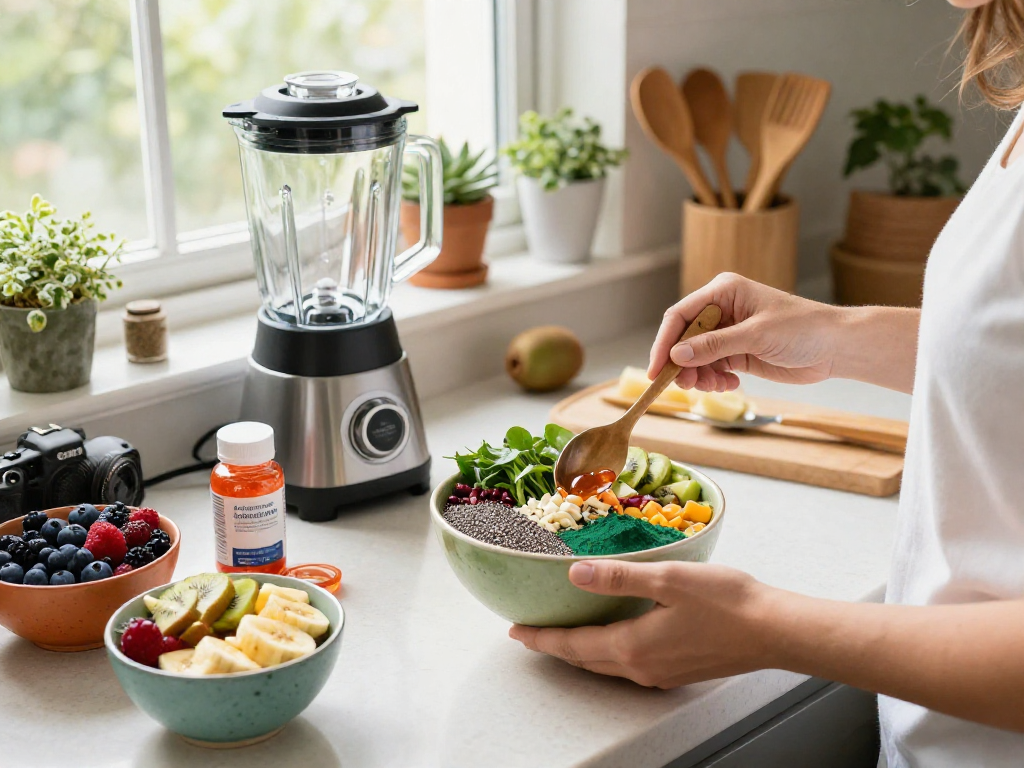
Understanding Astaxanthin Softgels
What Are Astaxanthin Softgels?
Astaxanthin softgels are dietary supplements derived from the astaxanthin pigment, which is a member of the carotenoid family. This pigment, known for its vibrant red hue, is naturally found in various algae and seafood, such as salmon, shrimp, and krill. The softgel format enhances the bioavailability of astaxanthin, allowing for easier absorption by the body compared to traditional powder or capsule forms. Given its growing popularity, many health enthusiasts and athletes alike are now incorporating astaxanthin softgels into their daily routine.
Sources and Composition of Astaxanthin
Astaxanthin is primarily sourced from microalgae, specifically Haematococcus pluvialis, which is considered the richest source of this powerful antioxidant. Other sources include certain seafood, prominently the red-orange fish such as salmon and shellfish, which accumulate astaxanthin through their diet. Chemically, astaxanthin is a xanthophyll, featuring a unique structure that contains multiple conjugated double bonds, contributing to its potent antioxidant properties. The softgel formulation often includes oil-based exipients, enhancing solubility and availability in the digestive tract.
How Astaxanthin Works in the Body
Astaxanthin's efficacy is largely attributed to its ability to neutralize free radicals within the body. Once ingested, it traverses cell membranes and protects various cellular structures from oxidative stress. This action helps to reduce inflammation and supports overall cellular health. Moreover, astaxanthin has been shown to benefit the skin, eyes, and musculoskeletal system, emphasizing its multi-faceted roles within human health.
Health Benefits of Astaxanthin Softgels
Antioxidant Properties and Their Importance
The signature health benefit of astaxanthin lies in its antioxidant capabilities. It is touted as one of the most potent natural antioxidants, being 6000 times more effective than vitamin C and 800 times more effective than coenzyme Q10. Antioxidants play critical roles in protecting the body from oxidative damage, which can lead to chronic diseases such as cancer, heart disease, and neurodegenerative disorders. Regular intake of astaxanthin softgels may help to bolster the body's defenses against such conditions.
Supporting Skin and Eye Health
Astaxanthin promotes skin health by improving moisture levels, elasticity, and firmness. It protects against UV radiation-induced damage, contributing to a smoother and healthier complexion. In terms of ocular benefits, astaxanthin can cross the blood-retinal barrier, providing protection against oxidative stress that can lead to conditions like macular degeneration and dry eye syndrome. Clinical studies suggest that astaxanthin can enhance visual acuity and reduce eye fatigue, making it a valuable supplement for those who spend long hours in front of digital screens.
Enhancing Athletic Performance and Recovery
Athletes and fitness enthusiasts are increasingly turning to astaxanthin softgels for their purported ergogenic benefits. The compound is believed to enhance aerobic capacity and endurance, allowing athletes to perform at higher intensities for extended periods. Additionally, its anti-inflammatory properties aid in faster recovery post-exercise by reducing muscle damage and improving joint health. Research suggests that regular supplementation can lead to improvements in stamina, strength, and the recovery process, making it an ideal addition to the athlete's supplement stack.
How to Incorporate Astaxanthin Softgels into Your Lifestyle
Recommended Dosage and Usage
While individual needs may vary, a common recommended dosage for astaxanthin softgels ranges from 4 to 12 mg per day, depending on factors like body weight, health goals, and specific conditions. It is advisable to start with a lower dose and gradually increase it to assess tolerance. It is also essential to follow the manufacturer's instructions and consult with a healthcare provider if you have specific health issues or take other medications.
Combining with Other Supplements
Astaxanthin can be effectively combined with other supplements to enhance its benefits. For instance, pairing it with omega-3 fatty acids can amplify its anti-inflammatory effects and improve cardiovascular health. Additionally, taking it alongside vitamins C and E may provide a powerful antioxidant synergism that helps improve skin health and overall wellbeing. However, it’s crucial to seek guidance from a healthcare professional before synergizing multiple supplements.
Dietary Considerations When Using Astaxanthin
To maximize the effectiveness of astaxanthin softgels, consider your overall dietary habits. A diet rich in fruits, vegetables, and whole grains can support the body's natural antioxidant capacity. Moreover, consuming healthy fats, such as those from avocados, nuts, and olive oil, can enhance astaxanthin absorption due to its fat-soluble nature. Maintaining a balanced diet can also complement the supplementation and promote optimal health outcomes.
Potential Side Effects and Precautions
Common Side Effects of Astaxanthin
Astaxanthin is generally well-tolerated and considered safe for most individuals. However, some may experience mild side effects, including stomach upset, skin discoloration, or headache. These side effects usually subside as the body adjusts to the supplement. It is essential to monitor your reaction to the supplement and discontinue use if adverse effects persist or worsen.
Who Should Avoid Astaxanthin Softgels?
Individuals with certain conditions, such as those with hypersensitivity to astaxanthin or seafood, should avoid using astaxanthin softgels. Pregnant or nursing women, as well as those on blood-thinning medications or undergoing surgery, should consult their healthcare professionals before starting supplementation. Individual health conditions may necessitate personalized dosage or avoidance altogether.
Consulting Healthcare Professionals
Prior to adding astaxanthin softgels to your regimen, it is wise to consult a healthcare professional, particularly if you have pre-existing health conditions or are taking medications. They can provide tailored advice based on individual health goals and needs, ensuring safe and effective usage of this powerful antioxidant supplement.
Frequently Asked Questions About Astaxanthin Softgels
What is the best time to take astaxanthin softgels?
The best time to take astaxanthin softgels is with a meal, preferably one that contains fat, as it enhances absorption. Regular daily use can maximize its benefits.
Can I take astaxanthin softgels with food?
Yes, astaxanthin softgels should ideally be taken with food. Consuming them with dietary fat improves absorption, making the supplement more effective.
Are there any drug interactions with astaxanthin?
Astaxanthin is generally considered safe but may interact with blood-thinning medications. It is essential to consult with a healthcare provider for guidance on possible interactions.
How fast can I expect results from astaxanthin?
Results can vary by individual, but many users report noticeable improvements in energy, skin health, and recovery within a few weeks of consistent use.
Is astaxanthin safe for daily use?
Yes, astaxanthin is regarded as safe for daily use. Following recommended dosages is crucial, and consulting a healthcare professional is advised for personalized guidance.