Understanding Astaxanthin Softgels
What Are Astaxanthin Softgels?
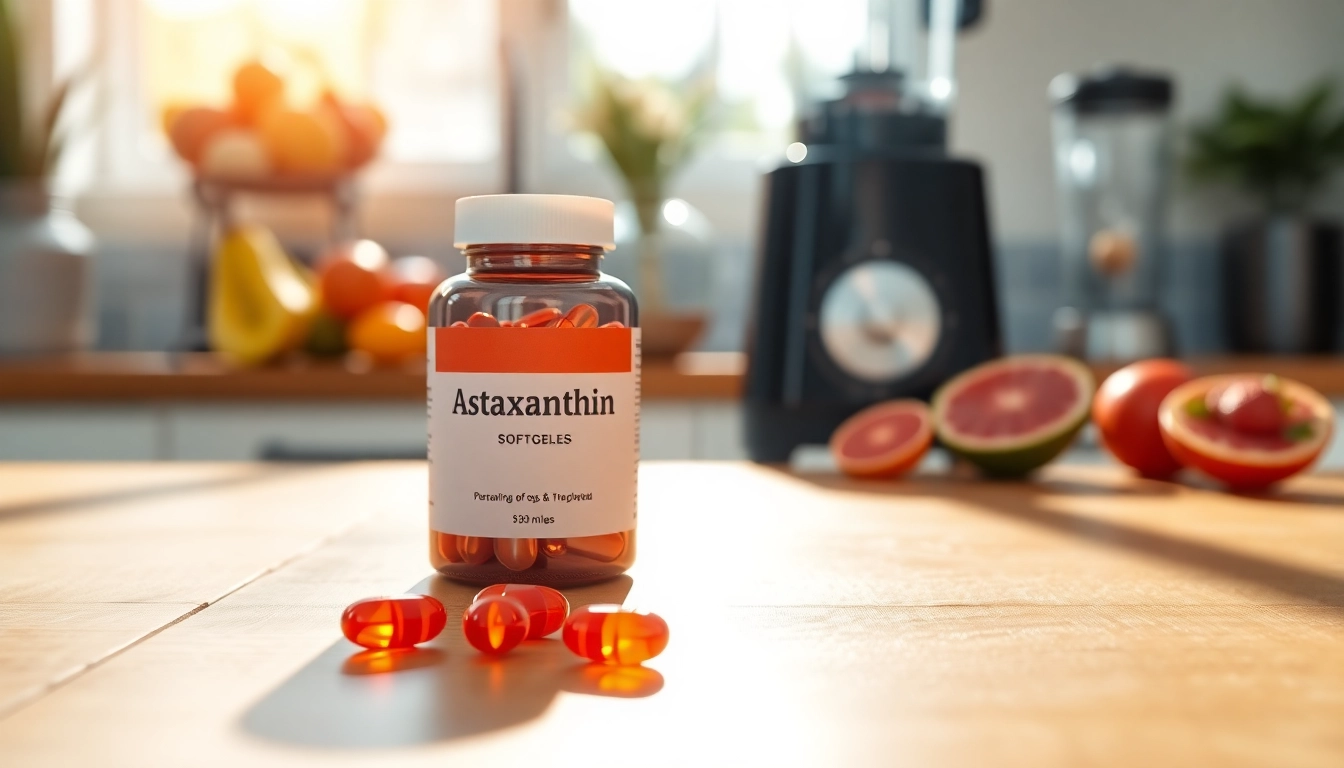
Astaxanthin softgels are a concentrated form of astaxanthin, a powerful carotenoid pigment found in certain marine organisms. Produced by microalgae, astaxanthin is renowned for its vibrant reddish-orange color, which is notably evident in seafood like salmon, shrimp, and crab. These softgels offer a convenient and effective way to enhance your diet with this potent antioxidant, supporting overall health and wellness.
How Astaxanthin is Sourced
The primary source of astaxanthin is the microalgae Haematococcus pluvialis. Under stressful environmental conditions, such as high light intensity and nutrient deprivation, this microalga produces astaxanthin as a protective mechanism. This natural sourcing process ensures that the astaxanthin found in softgels is of high quality and bioavailability. Astaxanthin can also be synthesized through certain yeast or extracted from plants, but the algal source remains most popular due to its purity and effectiveness.
Nutritional Profile of Astaxanthin Softgels
A comprehensive analysis of astaxanthin softgels reveals a rich nutritional profile. Notably, astaxanthin acts as a potent antioxidant, boasting an ORAC (Oxygen Radical Absorbance Capacity) value much higher than that of vitamins C and E. This means astaxanthin can effectively neutralize free radicals, reducing oxidative stress and promoting cellular health. In addition to astaxanthin, these softgels may contain essential fatty acids, omega-3s, and vitamin E, further enhancing their nutritional value.
Health Benefits of Astaxanthin Softgels
Antioxidant Properties of Astaxanthin
Astaxanthin is often heralded for its exceptional antioxidant capabilities. By quenching singlet oxygen and neutralizing reactive oxygen species, it protects cellular structures from damage. This powerful antioxidant shield can help mitigate several age-related issues, support cardiovascular health, and enhance overall wellbeing. Regular consumption of astaxanthin softgels may contribute to a stronger immune response, reducing the risk of chronic diseases connected to oxidative stress.
Support for Vision Health
Studies indicate that astaxanthin may play a crucial role in preserving eye health. Its antioxidant properties help protect the eyes from oxidative stress, which is commonly associated with age-related macular degeneration and cataracts. Incorporating astaxanthin softgels into your daily regimen could reduce eye fatigue, especially for those who spend considerable time in front of screens. Moreover, it enhances blood flow to the eyes, which may improve overall visual function.
Enhancing Skin Health with Astaxanthin
The benefits of astaxanthin extend to skin health as well. Research shows that astaxanthin may improve skin elasticity, hydration, and texture while combating UV-induced skin damage. Its anti-inflammatory properties can reduce the appearance of fine lines and wrinkles, giving skin a youthful glow. By incorporating astaxanthin softgels into your beauty routine, you may achieve smoother, healthier skin over time.
Incorporating Astaxanthin Softgels into Your Routine
Recommended Dosage
The typical recommended dosage of astaxanthin softgels ranges from 4 to 12 mg per day. This range depends on individual health goals and specific health conditions. It’s advisable for individuals new to astaxanthin to start with a lower dose, gradually increasing it based on personal tolerance and desired effects. Always check the product label for specific recommendations, as formulations may vary.
Best Times to Take Astaxanthin Softgels
For optimal absorption, it's recommended to take astaxanthin softgels with meals that contain dietary fats. Since astaxanthin is fat-soluble, accompanying it with a meal that includes healthy fats will enhance its bioavailability and efficacy. Some users prefer taking it in the morning for increased energy levels throughout the day, while others may choose to consume it in the evening as part of their nighttime routine.
Combining with Other Supplements
Astaxanthin can complement various other supplements to enhance overall health benefits. For example, combining it with omega-3 fatty acids may amplify its anti-inflammatory properties, benefiting cardiovascular health further. Likewise, pairing it with collagen supplements could enhance skin health results, providing a greater anti-aging effect. However, it’s essential to consult a healthcare provider before combining supplements to ensure compatibility and avoid any potential adverse effects.
Potential Side Effects and Issues
Common Side Effects of Astaxanthin Softgels
While astaxanthin is generally well-tolerated, some individuals might experience side effects such as stomach discomfort, changes in color of bodily fluids (usually a harmless reddish tint), or mild allergic reactions. If you experience any severe side effects or an unusual reaction, it’s crucial to discontinue use and consult a healthcare professional. Always adhere to recommended dosages to minimize the risk of adverse effects.
Who Should Avoid Astaxanthin?
Individuals with specific allergies, particularly to seafood, should exercise caution when considering astaxanthin softgels, as some products may be derived from marine sources. Pregnant or breastfeeding women should consult their healthcare provider before starting any new supplement regimen, including astaxanthin. Additionally, those taking certain medications, especially anticoagulants, should discuss this supplement's use with a healthcare professional to avoid potential interactions.
Consulting with a Healthcare Provider
Before adding astaxanthin softgels to your health routine, consulting with a healthcare provider is recommended, especially if you have underlying health conditions or are on medications. A professional can help determine whether astaxanthin is suitable for your needs and offer guidance on proper dosages and potential interactions with other supplements or medications.
FAQs About Astaxanthin Softgels
What is the recommended dosage for astaxanthin softgels?
The typical dosage of astaxanthin softgels ranges from 4 to 12 mg daily, depending on individual needs and health goals. Always follow the product's instructions or consult a healthcare provider.
Can astaxanthin softgels help with exercise recovery?
Yes, astaxanthin can help reduce muscle soreness and inflammation post-exercise, potentially enhancing recovery times and overall athletic performance.
Are there any dietary restrictions with astaxanthin?
Astaxanthin is generally suitable for various diets, but individuals with seafood allergies should exercise caution, as some products may contain marine-derived ingredients.
What makes astaxanthin a powerful antioxidant?
Astaxanthin's unique molecular structure allows it to neutralize free radicals more effectively than many other antioxidants, providing strong protection against oxidative stress.
How long does it take to see benefits from astaxanthin?
Individuals may start to notice the benefits of astaxanthin within a few weeks of consistent use, although optimal effects may take several months to manifest.