
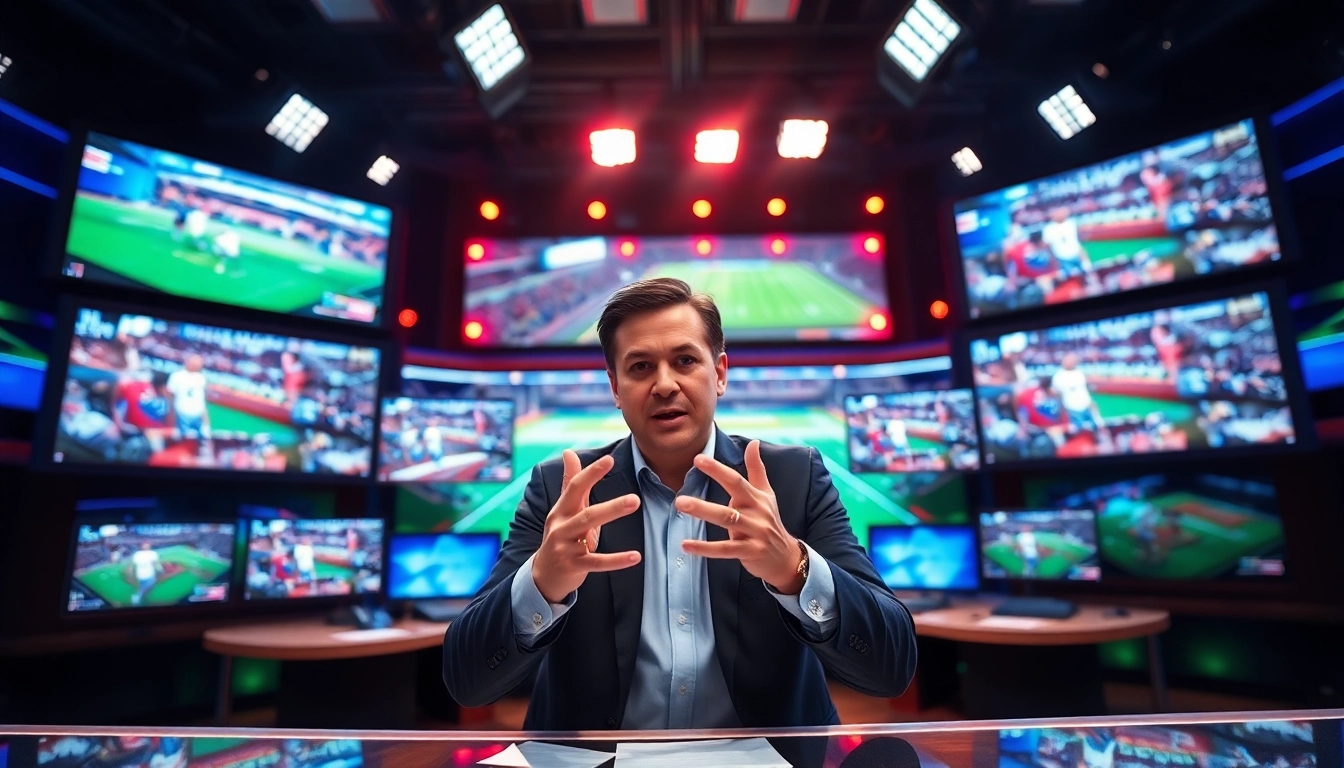
Understanding Sports Broadcasting
In today’s interconnected world, sports broadcasting is pivotal in delivering live events and analyses to global audiences. It plays a crucial role in how fans engage with their favorite sports, providing an immersive experience through various media channels. As technology advances and viewer preferences evolve, understanding the nuances of Sports Broadcasting becomes essential for those involved in the industry.
The Role of Sports Broadcasting in Media
Sports broadcasting serves as a bridge between athletes and fans, creating a dynamic platform for interaction. Its significance extends beyond mere entertainment; it drives advertising revenue, engages communities, and promotes sports culture. By providing real-time updates and in-depth analysis, broadcasters enhance the viewing experience, turning a simple game into an engaging narrative that captivates audiences worldwide.
History and Evolution of Sports Broadcasting
The roots of sports broadcasting trace back to early radio broadcasts in the 1920s, where live updates of games reached eager listeners. The transition to television in the 1950s revolutionized the landscape, allowing fans to watch events unfold in real-time. As technology advanced, so did the broadcasting landscape, introducing color transmission, cable TV, and satellite broadcasts. The internet’s rise in the late 20th century further transformed sports broadcasting, bringing live streaming and on-demand services to the forefront.
Key Technologies Behind Modern Sports Broadcasting
Modern sports broadcasting relies on cutting-edge technologies that enhance production quality and viewer engagement. High-definition and 4K video standards offer crystal-clear images, while surround sound systems immerse viewers in the experience. Innovations such as augmented reality (AR) and virtual reality (VR) provide unique viewing angles and interactive features, allowing fans to feel as if they are part of the action.
Core Components of Effective Sports Broadcasting
Cameras and Equipment Used in Sports Broadcasting
At the heart of sports broadcasting is sophisticated camera technology. Professional-grade cameras with high zoom capabilities capture clear footage even from great distances. Tracking cameras, such as those used in baseball and football, follow the action seamlessly, while drones offer aerial perspectives that enhance storytelling. Proper lighting and sound equipment are equally essential, ensuring that broadcasts are vibrant and engaging.
Broadcasting Software: The Backbone of Coverage
Broadcasting software plays a critical role in integrating various elements of the production. From graphics generation to live editing, software solutions allow producers to manage feeds, switch cameras, and control timing effectively. Tools for real-time data integration, such as player statistics and game scores, contribute to a rich viewer experience by providing context and depth to broadcasts.
Creating Compelling Commentary in Sports Broadcasting
A key aspect of sports broadcasting is commentary, which enhances the viewer’s emotional connection to the game. Skilled commentators provide insights, backstory, and personal anecdotes, creating a rich narrative that engages fans. The balance between providing information and maintaining entertainment value is crucial, as compelling commentary can elevate even the most routine games into memorable experiences.
Strategies for Audience Engagement in Sports Broadcasting
Utilizing Social Media to Enhance Viewer Interaction
Social media has become an integral part of the sports broadcasting ecosystem. Platforms like Twitter and Instagram allow broadcasters to interact with fans, share highlights, and generate buzz around events. Real-time engagement through polls, Q&A sessions, and live commentary promotes a sense of community among viewers, making the experience interactive and participatory.
Integrating Fan Contributions into Broadcasts
Involving fans in broadcasts fosters deeper engagement and loyalty. Broadcasters can leverage fan-generated content, such as online discussions or questions, to make the viewing experience more inclusive. Incorporating fan reactions and contributions can provide authentic perspectives that resonate with audiences, making broadcasts feel more connected to the viewer’s world.
Analyzing Viewer Preferences for Tailored Content
Understanding viewer preferences is crucial for tailoring content effectively. Through surveys, analytics, and social listening tools, broadcasters can gauge the interests and sentiments of their audiences. By adapting content strategies to reflect viewer desires—be it through specific match highlights, behind-the-scenes footage, or player interviews—broadcasters can enhance viewer satisfaction and retention.
Challenges Facing Sports Broadcasting Today
Navigating Copyright and Licensing Issues
One of the greatest challenges in sports broadcasting is navigating the complex web of copyright and licensing agreements. Rights to air games are often contested, requiring extensive negotiation between leagues, networks, and platforms. Broadcasters must ensure compliance with regulations to avoid legal issues while maximizing their content’s distribution and profitability.
Adapting to New Technologies and Platforms
The rapid evolution of technology poses additional challenges for broadcasters. The emergence of streaming platforms and the shift from traditional TV viewing require broadcasters to adapt quickly. Embracing new technologies, such as mobile apps and interactive features, can help broadcasters stay relevant and meet changing viewer habits, thereby enhancing their reach and engagement.
Maintaining Viewer Trust and Credibility
Trust is fundamental in sports broadcasting, as viewers depend on accurate information and unbiased reporting. Maintaining credibility amid the influx of misinformation and sensationalism is crucial. Broadcasters must prioritize journalistic integrity by fact-checking and presenting data transparently, striving to build and retain viewer trust in their reporting.
Future Trends in Sports Broadcasting
Rise of Live Streaming and On-Demand Services
As streaming technology continues to improve, live streaming and on-demand services are becoming essential offerings in sports broadcasting. Fans increasingly favor the flexibility of watching games anytime and anywhere, leading broadcasters to invest heavily in these platforms. The proliferation of subscription models and ad-supported services provides multiple avenues for monetization while catering to diverse viewer preferences.
Advancements in Virtual Reality for Sports Broadcasting
Virtual reality is set to redefine how audiences interact with sports events. By offering a 360-degree view and immersive experiences, VR allows fans to feel as if they are attending games in person. Broadcasters investing in VR technology can create uniquely engaging content that transforms the viewing experience and appeals to tech-savvy audiences seeking new forms of entertainment.
Impact of Artificial Intelligence on Sports Analysis
Artificial intelligence is revolutionizing sports analysis, enabling broadcasters to offer deeper insights and real-time data. AI algorithms can analyze player performance, predict game outcomes, and identify trends that are difficult for human analysts to discern. By integrating AI into broadcasts, sports networks can enhance informational depth and offer audiences a richer understanding of the sport.
FAQs on Sports Broadcasting
What is sports broadcasting?
Sports broadcasting involves the live or recorded transmission of sports events through various media, including television, radio, and online platforms. It aims to connect fans with the sports they love.
How has technology influenced sports broadcasting?
Technological advancements have improved video quality, sound, and interactivity, enhancing the viewer experience. Innovations like VR and AI have also contributed to more engaging broadcasts.
What challenges do broadcasters face today?
Today’s broadcasters face challenges like copyright issues, adapting to new technologies, and maintaining viewer trust in an era of misinformation. Addressing these challenges is critical for success.
How can broadcasters engage their audience effectively?
Broadcasters can enhance audience engagement through social media interactions, incorporating fan-generated content, and tailoring broadcasts based on viewer preferences and analytics.
What future trends can we expect in sports broadcasting?
Future trends include the rise of live streaming, advancements in virtual reality, and the use of AI for data analysis. These innovations will shape how sports are consumed and enjoyed globally.