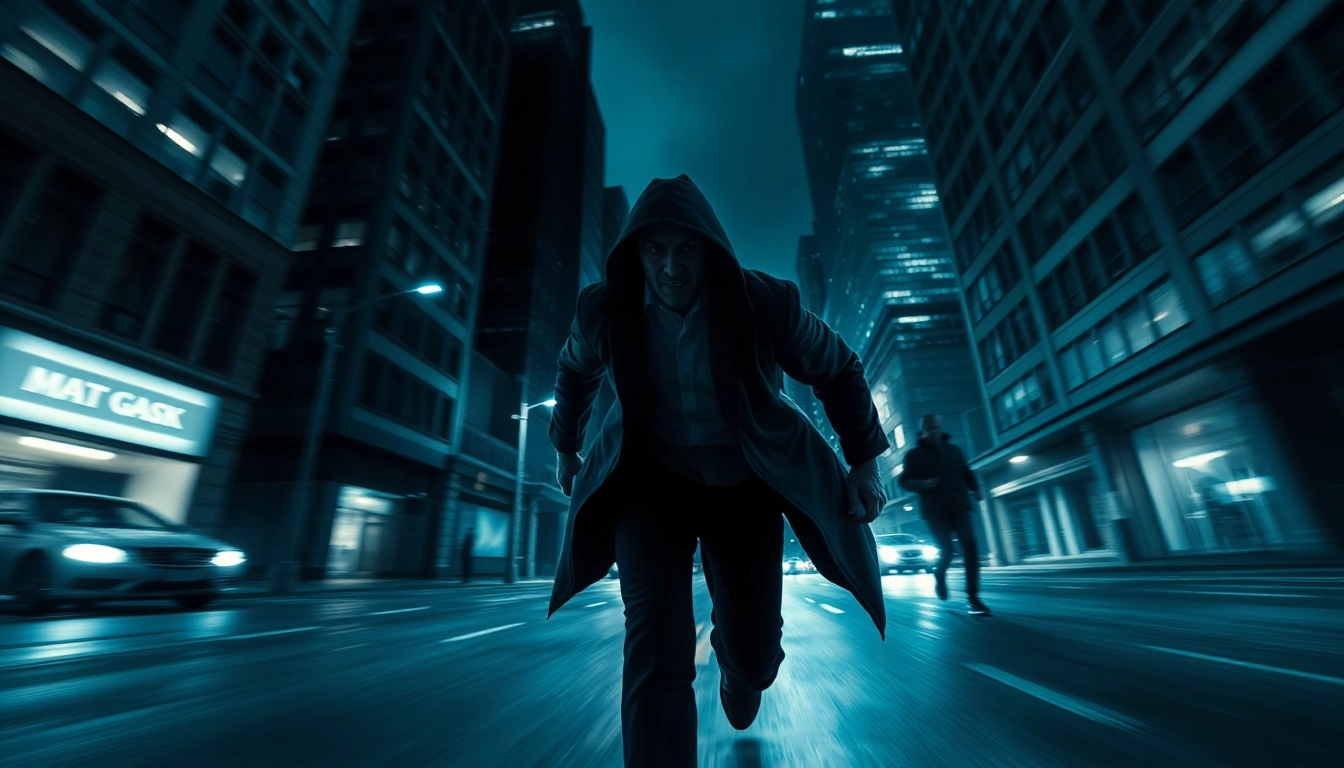
The Essence of Fast-paced Thriller
Defining Fast-paced Thriller Genres
A fast-paced thriller is a sub-genre of thriller literature and film that emphasizes not just high stakes but also an accelerated narrative tempo. These stories are designed to hold the audience’s attention from the first page or scene to the last, often characterized by short chapters, quick scene changes, and rapid plot developments. A quintessential fast-paced thriller will immerse the audience in a world of suspenseful situations that unfold quickly, compelling them to keep turning pages or staying glued to the screen. Elements such as mystery, crime, and sometimes psychological tension converge in these narratives, ensuring a gripping experience that resonates with readers seeking adrenaline-fueled entertainment.
Characteristics that Make a Thriller Fast-paced
Several core characteristics define fast-paced thrillers, making them distinct from slower-paced narratives:
- Short Chapters: Quick chapters can create a sense of urgency, encouraging readers to continue without feeling bogged down.
- Cliffhangers: Ending chapters or scenes with unresolved tension or action invites immediate continuation, fostering a binge-reading experience.
- A Rapid Pace of Action: Continuous movement—both narrative and character-driven—ensures that the audience remains engaged at all times.
- High Stakes: Fast-paced thrillers often involve life-and-death situations or high-stakes dilemmas that lead characters to confront their fears and adversities head-on.
- Simplified Narratives: A focus on straightforward, compelling plots allows readers to easily grasp the story while remaining alert to its twists and turns.
The Appeal of Fast-paced Thrillers
The allure of fast-paced thrillers can be traced to their ability to create excitement and tension, prompting an emotional response from readers or viewers. Unlike slower-burning dramas that evolve gradually, fast-paced thrillers thrive on adrenaline, providing a sense of urgency that captivates audiences. The appeal also lies in the catharsis that follows the tension; once the conflict is resolved, there’s often relief and satisfaction—a rollercoaster experience that many find addictive. For writers, creating a captivating fast-paced thriller can lead to a rewarding artistic expression, as they manipulate pacing and plot intricacies to evoke visceral reactions. For readers who crave relentless action and suspense, stories categorized as Fast-paced thriller resonate deeply, offering escapism and thrilling entertainment.
Crafting Unforgettable Characters
Heroes and Anti-heroes in Fast-paced Thrillers
Character development plays a crucial role in engaging the audience within fast-paced thrillers. Protagonists often serve as heroes, while others might embody anti-heroic traits, making them relatable and compelling. Heroes in such narratives are typically faced with significant challenges and moral dilemmas, pushing them towards growth and transformation. Anti-heroes, on the other hand, often embody shades of grey, providing complexity and intrigue as they navigate their darker motivations. Examples of both can be seen in literary and cinematic portrayals, where characters are molded under pressure by their circumstances.
The Role of Supporting Characters
Supporting characters are invaluable in enriching the narrative layers of fast-paced thrillers. They add depth to the storyline and help develop the protagonist’s journey. Allies may possess essential skills or knowledge, guiding the hero toward success. Conversely, antagonists and traitors introduce conflict that heightens the stakes. Engaging supporting characters often possess their own arcs, contributing to the overarching themes of the plot. Their interactions with the protagonist can reveal critical aspects of the main character’s nature, ultimately enriching the reader’s understanding.
Character Arcs in Fast-paced Thriller Stories
In fast-paced thrillers, character arcs are crucial in illustrating the growth of characters as they face challenging circumstances. The journey of a character, whether from innocence to experience or fear to courage, can drive the story’s emotional impact. For instance, a character who initially shies away from confrontation may evolve into a leader as the story progresses, reflecting the narrative’s themes of resilience and bravery. Writers should ensure that character arcs align with the story’s fast pacing, allowing progression to feel organic while maintaining the story’s momentum.
Constructing a Gripping Plot
Key Elements of a Fast-paced Thriller Plot
Successful fast-paced thrillers are built around structured plots that incorporate several critical elements:
- Hook: Captivating the audience’s attention from the outset is essential. A strong opening scene or premise piques interest immediately.
- Inciting Incident: This event is essential for setting the narrative into motion, creating conflict and establishing stakes that compel characters to act.
- Plot Twists: Unexpected developments can enhance the level of suspense while keeping the audience guessing.
- Climax: The most intense part of the story, where tensions peak, ought to deliver maximum impact before the resolution.
- Resolution: Following the climax, conflicts should resolve satisfactorily, providing closure while leaving room for thought or contemplation.
Building Tension and Suspense
Creating tension involves delaying resolution or introducing unforeseen obstacles that hinder the protagonist’s journey. Suspense can be heightened through various techniques, such as:
- Foreshadowing: Hints at future events can create anticipation, making the audience feel both anxious and excited about what lies ahead.
- Raising the Stakes: Ensuring that the protagonist faces significant consequences for failure engages readers emotionally.
- Time Constraints: Implementing a ticking clock scenario places urgency on character actions, increasing the tension as they race against time.
Effective Pacing Techniques
Pacing in fast-paced thrillers is the lifeblood of the narrative, determining how quickly information is relayed and how swiftly events unfold. Successful pacing can be achieved through various mechanisms:
- Varying Sentence Lengths: Short sentences can create urgency, while longer sentences can be used to build tension during slower moments.
- Active Voice: Using active voice rather than passive can enhance the immediacy of the action.
- Scene Cuts: Switching rapidly between scenes, especially with cliffhangers, keeps the audience engaged and wanting more.
Setting the Scene
Choosing the Right Environment for Fast-paced Thrillers
The setting of a fast-paced thriller can play a pivotal role in enhancing the story’s tension and atmosphere. A well-chosen environment amplifies the narrative’s stakes—think of dark alleys, abandoned buildings, or bustling cities that add layers of complexity. The physical space often reflects the emotional and psychological state of the characters, enhancing the overall mood.
World-building Details That Enhance the Narrative
Successful world-building in fast-paced thrillers provides a sense of place that envelops the reader. Stylized descriptions of settings can evoke feelings, memories, or foreshadow events. Important elements to include may consist of:
- Cultural Context: Understanding societal norms within the setting can amplify character conflicts and motivations.
- Historical Backdrop: The historical context can influence character behavior and provide depth to the narrative.
- Atmospheric Details: Descriptive elements of sound, light, and weather can affect the mood and evoke unique responses from the audience.
Integrating Atmosphere into the Fast-paced Thriller
Atmosphere must be integrated throughout the narrative to develop an immersive experience. Employing sensory language can evoke vivid imagery, while mood can shift dynamically based on character actions and plot developments. Establishing an emotional connection to the setting ensures that readers feel the stakes acutely, providing a richer reading experience that resonates well beyond the final page.
Recommendations for Fast-paced Thrillers
Must-Read Fast-paced Thriller Books
The realm of fast-paced thrillers is rich with thrilling narratives crafted by various talented authors. Some of the standout books include:
- The Girl on the Train by Paula Hawkins: A psychological thriller with an unreliable narrator that keeps readers guessing as layers of deception are revealed.
- Gone Girl by Gillian Flynn: A twisted tale of marriage breaks societal conventions with its unexpected narrative shifts.
- The Silent Patient by Alex Michaelides: A psychological thriller centered around a woman’s act of violence and the therapist determined to discover her motivations.
Fast-paced Thriller Movies Worth Watching
Cinematic adaptations often encapsulate the essence of fast-paced thrillers. Some notable films that exemplify gripping thrillers include:
- Se7en: A haunting journey into the mind of a serial killer, masterfully exploring human depravity and moral dilemmas.
- Prisoners: A tense narrative filled with moral complexity that keeps the audience on the edge of their seats.
- Shutter Island: A psychological thriller with a mind-bending plot that layers suspense and surprise.
Creating Your Own Fast-paced Thriller Reading or Viewing List
To craft your curated list of fast-paced thrillers, consider your preferences and the aspects you enjoy most:
- Identify Favorite Themes: Whether you prefer mystery, psychological tension, or crime-related narratives, focusing on certain themes can guide your choices.
- Diverse Formats: Include books, movies, and even audiobooks to diversify your experience.
- Reviews and Recommendations: Source titles from various platforms, such as bookstores, libraries, or trusted online communities.