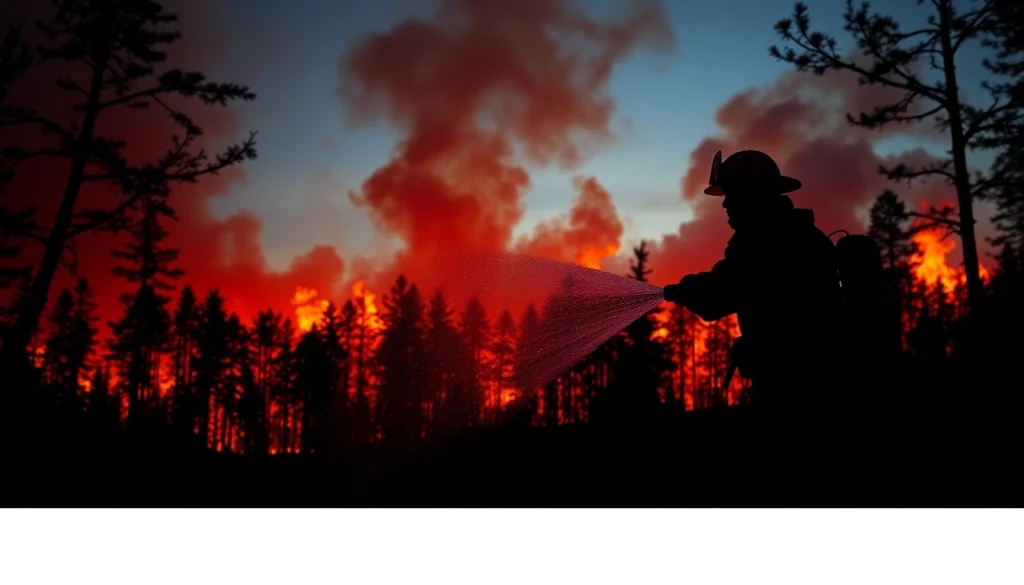
Understanding Wildfire Events
Wildfire events represent a significant ecological phenomenon, marked by uncontrolled fires that burn through forested, grassland, or shrub areas. These events are influenced by various natural and human-generated factors, ultimately impacting the environment, communities, and economies around the world. To comprehensively comprehend wildfire events, we will explore their definition, classification, causes, and more. As we delve into this topic, it’s essential to recognize the dynamics involved in Wildfire events.
Definition and Classification
Wildfires, often termed as bushfires, grassland fires, or forest fires, arise when flammable vegetation ignites and spreads uncontrollably over vast areas. These fires can be categorized into several types, based on their origin, ecological impact, and fire behavior:
- Surface Fires: These fires consume debris on the forest floor, including grass, leaf litter, and dead trees.
- Crown Fires: These fires spread through the treetops and can be particularly dangerous due to their rapid movement.
- Ground Fires: These fires occur below the surface, burning organic material in the soil.
Understanding the classification of wildfire events is crucial for developing targeted prevention and response strategies, as each type requires different management approaches.
Common Causes of Wildfire Events
Wildfire events can be ignited by natural factors or human actions. Here are some common causes:
- Lightning Strikes: A leading natural cause, lightning can ignite vegetation during dry conditions.
- Human Activities: Campfires left unattended, discarded cigarettes, and arson account for a significant proportion of wildfires.
- Drought Conditions: Extended periods of dry weather increase the flammability of vegetation.
- High Winds: Strong winds can spread fires rapidly, exacerbating their severity.
In examining these causes, understanding weather patterns and human behaviors is vital for mitigating wildfire risks.
Intriguing Facts About Wildfire Events
Wildfire events are not just destructive; they play essential roles in ecosystems:
- Wildfires can improve the health of forests by reducing overcrowded vegetation and promoting new growth.
- Some plant species, like the Giant Sequoia, require fire for seed germination.
- Wildfire events contribute to air pollution, yet they can also lead to a decrease in certain insect populations.
These facts highlight the dual nature of wildfires, emphasizing the need to balance ecological health with safety concerns.
The Impacts of Wildfire Events
Wildfire events have far-reaching impacts on various aspects of life. The consequences can be environmental, economic, and health-related, each demanding attention and strategic planning.
Environmental Consequences
The environmental consequences of wildfire events are profound. They can result in:
- Loss of Biodiversity: Ecosystems struggle to recover, and many species may face extinction.
- Soil Erosion: With vegetation removed, soil becomes susceptible to erosion, leading to landscape degradation.
- Altered Water Cycles: Changes in land cover affect local hydrology and water availability.
These environmental changes necessitate a thorough understanding of ecosystem management post-fire to facilitate recovery.
Economic Implications
Wildfires also impose significant economic burdens:
- Property Damage: Homes and infrastructures may be destroyed, leading to costly rebuilding efforts.
- Loss of Business: Local businesses may suffer due to evacuation orders or damage to facilities.
- Firefighting Costs: Extensive resources are required to combat major wildfire events, straining budgets.
Understanding these economic implications emphasizes the importance of investing in prevention and response strategies to minimize financial loss.
Health Risks Associated with Wildfire Events
Beyond physical damage, wildfire events pose substantial health risks:
- Air Quality Deterioration: Smoke can lead to respiratory issues and exacerbate existing health conditions.
- Mental Health Concerns: Communities affected by wildfires often experience anxiety and trauma post-event.
- Increased Emergency Room Visits: Medical facilities often see a spike in patients due to fire-related ailments.
Public health strategies must take these aspects into account to safeguard the community’s well-being during and after wildfire events.
Preparation and Prevention Techniques
Effective preparation and prevention are vital to mitigate the impacts of wildfire events. Communities must adapt strategies that cater to their unique environments and challenges.
Best Practices for Communities
Communities can adopt several best practices to enhance their resilience against wildfire events:
- Community Education: Raising awareness about wildfire risks can help individuals make informed decisions.
- Creating Firebreaks: Establishing areas devoid of combustible materials can help slow fire spread.
- Emergency Planning: Communities should develop and regularly update evacuation plans and communication strategies.
Implementing these practices empowers communities to take an active role in wildfire prevention and response.
Emergency Response Strategies
Effective emergency response is critical when a wildfire event occurs. Key strategies include:
- Establishing Incident Command Systems: A structured approach for coordinating responders can improve efficiency.
- Utilizing Technology: Advanced tools, such as drones and satellite imagery, assist in monitoring and managing fire scenarios.
- Supporting Evacuations: Timely and clear communication during evacuations saves lives.
These strategies underline the importance of organized response efforts to contain wildfire events swiftly and effectively.
Wildfire Resistant Landscaping
Landscaping can play a pivotal role in wildfire prevention. Strategies for creating wildfire-resistant landscapes include:
- Choosing Native Plants: These plants are more adapted to local conditions and require less maintenance.
- Reducing Vegetation Density: Space between plants minimizes the potential for fires to spread.
- Substituting Mulch: Instead of flammable materials, use rocks or gravel to reduce fire hazards.
Communities that invest in wildfire-resistant landscaping enhance their overall resilience to wildfire events.
Case Studies of Significant Wildfire Events
Analyzing significant wildfire events offers invaluable insights into effective management practices and policy development. We can glean lessons from both historical and recent fires.
Historical Wildfire Events that Shaped Policies
Certain wildfire events have influenced fire policy profoundly:
- The Peshtigo Fire: The deadliest wildfire in U.S. history led to reforms in firefighting and fire prevention policies.
- The Great Fire of 1910: This massive wildfire in Idaho and Montana catalyzed the creation of the U.S. Forest Service’s wildfire suppression policies.
These events serve as reminders of the need for continuous development and adaptation of fire management policies.
Noteworthy Recent Wildfire Events
Recent wildfires continue to challenge our understanding and preparedness:
- The Australian Bushfires: Vast areas of the continent were devastated, highlighting the interconnectedness of climate change and wildfire risks.
- The August Complex Fire: The largest wildfire in California history received widespread media coverage, sparking discussions on sustainable land management practices.
Studying these fires helps refine strategies and technologies for future wildfire management.
Lessons Learned from Wildfire Events
Every wildfire event presents an opportunity for learning and growth. Key lessons include:
- Collaboration is Key: Effective communication and coordination among agencies enhance response efforts.
- Break the Cycle: This can only be accomplished through long-term environmental restoration and community preparedness.
- Invest in Research: Continued investment in wildfire science leads to better predictive models and response strategies.
These lessons underscore the importance of proactive planning and response mechanisms in wildfire management.
Future Outlook and Innovations
Looking forward, the dynamics surrounding wildfire events continue to evolve, necessitating new approaches and innovations in management.
Advancements in Firefighting Technology
Technological innovations are reshaping firefighting efforts:
- Drones: Equipped with thermal imaging, drones help monitor and assess fire conditions.
- Firefighting Robots: These machines can operate in hazardous environments, reducing risk to human responders.
- Predictive Models: Advanced algorithms analyze weather patterns to forecast fire behavior.
These advancements hold the potential to significantly enhance firefighting capabilities and response times during wildfire events.
Policy Changes in Response to Wildfire Events
Regulatory changes are imperative to addressing the increasing frequency and severity of wildfires:
- Land Use Regulations: Policies promoting responsible development in fire-prone areas can mitigate risks.
- Funding for Prevention: Increased funding for fuel reduction and community education initiatives is vital.
- Emphasis on Research: Policy should support research into climate adaptation strategies to combat fire risks.
Adapting policies to address changing conditions is critical for reducing wildfire impacts in the future.
Role of Climate Change in Wildfire Events
Climate change is a significant factor in the escalation of wildfire events. It contributes to:
- Increased Temperatures: Higher temperatures lead to prolonged droughts, increasing flammability.
- Altered Precipitation Patterns: Unpredictable rainfall impacts vegetation growth, creating fuel for fires.
- More Extreme Weather Events: High winds during dry conditions exacerbate fire spread.
Addressing climate change must be at the forefront of wildfire management discussions to mitigate future risks effectively.
Frequently Asked Questions
What is a wildfire event?
A wildfire event refers to uncontrolled fires that occur in undeveloped areas, typically fueled by vegetation and requiring suppression efforts.
How can communities prepare for wildfire events?
Communities should create evacuation plans, engage in public education, and establish firebreaks to protect properties from wildfires.
What are the health risks associated with wildfire events?
Wildfire events pose health risks, including respiratory issues from smoke inhalation, trauma from evacuations, and mental health challenges post-event.
What advancements are there in firefighting technology?
Recent advancements include drones for surveillance, firefighting robots, and sophisticated predictive modeling to assess fire behavior and spread.
What role does climate change play in wildfires?
Climate change increases temperatures and alters precipitation patterns, leading to prolonged drought conditions that enhance wildfire risks.