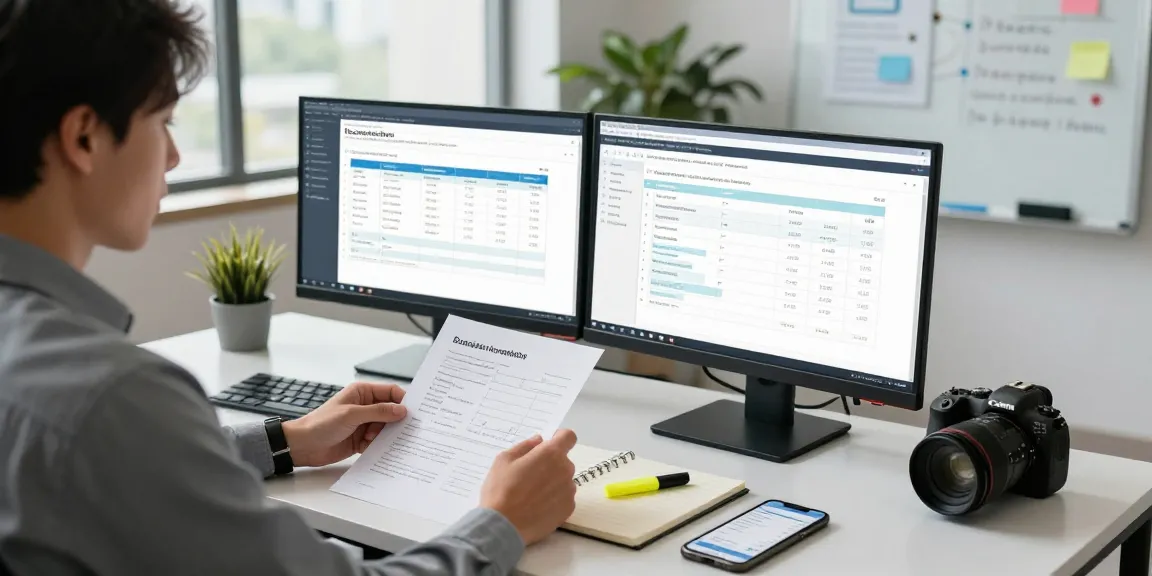
Understanding Fake Invoices in Today’s Business Environment
In an increasingly digital world, businesses face the growing threat of invoice fraud. As more transactions are conducted online, the sophistication of scammers has also evolved, making it crucial for organizations to be vigilant and proactive. Fake invoices can result in significant financial losses, erode trust with partners, and damage reputations. Understanding the characteristics of these fraudulent documents is the first step towards effective prevention. Many businesses are now turning to innovative technologies to detect fake invoice and mitigate risks.
What Are Fake Invoices and How Do They Work?
Fake invoices are deceptively crafted documents that mimic real invoices with the intent to defraud businesses. Scammers typically create these invoices using various tactics, such as stealing actual company logos, manipulating known vendor information, and exploiting weaknesses in accounts payable processes. The goal is to convince the recipient to process the payment for goods or services that were never delivered.
These fraudulent invoices can be either completely fictitious or based on real vendors whose details have been modified to redirect payments. In some cases, scammers even exploit systems to send fake invoices that appear legitimate, further complicating the detection process.
The Impact of Fake Invoices on Businesses
The consequences of falling victim to invoice fraud can be devastating. Companies may experience:
- Financial Loss: Immediate losses can occur if the fraud is not detected quickly. This can lead to a ripple effect on cash flow and operational budgets.
- Operational Disruption: Investigating fraud incidents consumes valuable time and resources, diverting focus from core business activities.
- Legal Ramifications: Depending on the nature of the fraud, there may be legal implications, including lawsuits or regulatory penalties.
- Damaged Reputation: Trust is vital in business relationships; repeated fraud incidents can tarnish a company’s reputation, impacting future business opportunities.
Recognizing Common Types of Invoice Fraud
Invoice fraud manifests in various forms, including but not limited to:
- Phishing Schemes: Scammers send emails that appear to be from legitimate vendors, tricking employees into making unauthorized payments.
- Business Email Compromise (BEC): This tactic involves hacking into a company’s email system to manipulate invoice communications.
- Fake Service Providers: Scammers impersonate real service providers by sending invoices for services that were never rendered.
- Altered Invoices: These involve editing legitimate invoices to inflate amounts or change payment details.
How to Detect Fake Invoices Effectively
Identifying fake invoices requires diligence and a keen eye for detail. Implementing a multi-layered approach to detection can increase the chances of catching fraud before it affects your business.
Red Flags in Invoice Details to Watch For
When reviewing invoices, be on the lookout for common red flags that may indicate fraud. These include:
- Inconsistent Formatting: Legitimate invoices typically follow a uniform structure. Discrepancies in layout, font, or branding can signal a fake.
- Unusual Payment Requests: Be wary of invoices that request immediate payment or urge clients to change banking information without proper protocols.
- Incorrect Vendor Information: Double-check that the vendor’s details, such as names and addresses, match those on file. Mismatches are a common indicator of fake invoices.
- Unusual Invoice Numbers: Sequentially numbered invoices or those that deviate from established patterns may raise suspicion.
Utilizing Technology for Invoice Verification
Automation and advanced technologies have become invaluable tools in detecting invoice fraud. AI-powered solutions are capable of scanning invoices for inconsistencies and anomalies that the human eye might miss. These systems can:
- Analyze Patterns: AI can learn from past fraudulent activities to recognize suspicious patterns in billing and payment behavior.
- Cross-Reference Data: Automated tools can verify invoices against known databases of legitimate vendors to flag discrepancies.
- Real-Time Notifications: Systems can alert finance teams immediately when a potentially fraudulent invoice is detected, enabling swift intervention.
Step-by-Step Guide to Cross-Checking Invoices
To ensure thorough examination of each invoice, follow this structured approach:
- Verify Vendor Information: Check the legitimacy of the vendor through official channels.
- Review Invoice Details: Ensure all details align with existing contracts or agreements, including amounts and terms.
- Cross-Check Payments: Confirm that payment requests match prior invoices and ensure amounts are consistent with expected costs.
- Involve Multiple Approvals: Establish a process requiring multiple approvals for invoice payments to reduce the risk of fraud.
Best Practices for Invoice Management
Establishing best practices for invoice management can significantly mitigate the risks of fraud. Implementing a robust framework for handling invoices helps safeguard businesses.
Creating Robust Invoice Approval Processes
Designing effective approval workflows is crucial. Ensure that all invoices are subject to scrutiny by multiple stakeholders before payment is processed. This could involve:
- Segregation of Duties: Assign different personnel to handle invoice receipt, review, and payment to minimize the concentration of power.
- Approval Limitations: Set monetary thresholds requiring higher levels of approval for significant invoices to increase oversight.
- Documentation Requirements: Maintain clear records of discussions and approvals associated with each invoice for future reference.
Staff Training on Invoice Recognition
Educating staff about the nuances of invoice recognition can empower employees to identify potential fraud. Key training elements should include:
- Understanding Red Flags: Employees should be well-versed in the common signs of invoice fraud.
- Regular Workshops: Conduct periodic workshops to reinforce best practices and discuss emerging fraud tactics.
- Real-Life Scenarios: Use case studies and role-playing exercises to help employees learn through practical examples.
Implementing Automated Solutions for Detection
Integrating automated systems enhances efficiency in invoice verification. Some solutions include:
- Optical Character Recognition (OCR): OCR technology can convert scanned invoices into editable and searchable formats, facilitating easier checks for errors.
- Machine Learning Models: These models can learn from historical data to flag potentially fraudulent invoices based on learned behaviors.
- Integration with Financial Software: Solutions that work seamlessly with existing accounting systems can streamline the verification process.
Real-World Examples of Invoice Fraud Cases
Understanding the breadth of invoice fraud through real-world examples reinforces the need for vigilance and proactive measures.
Case Study: A Major Company Falls for Invoice Fraud
In 2024, a large multinational corporation fell victim to a sophisticated invoice fraud scheme. Scammers impersonated a key supplier and sent altered invoices requesting payment to a different bank account. Despite internal audit reviews, the fraudulent invoices were paid before discrepancies were detected. This incident resulted in a significant financial loss and led the company to overhaul its invoice management processes.
Lessons Learned from Invoice Fraud Incidents
Key takeaways from incidents like this often reveal the importance of robust verification processes and employee training. Organizations can strengthen their defenses by:
- Regularly updating training programs to reflect current fraud tactics.
- Conducting audits of payment processes to identify vulnerabilities.
- Engaging in continuous dialogue about cybersecurity and fraud prevention among team members.
Trends in Invoice Fraud Tactics
As technology evolves, so too do the tactics employed by fraudsters. Some notable trends include:
- Increased Use of AI: Fraudsters are increasingly utilizing AI to generate convincing fake invoices that are difficult to distinguish from legitimate documents.
- Social Engineering Tactics: Scammers are leveraging social media to gather information on businesses and employees, enabling more targeted attacks.
- Remote Work Vulnerabilities: The rise of remote work has created new opportunities for fraud, as employees may lack the oversight present in traditional office environments.
The Future of Invoice Verification and Fraud Prevention
As businesses continue to adapt to an ever-changing landscape, the future of invoice verification relies heavily on technological advancements and proactive governance.
Emerging Technologies in Invoice Verification
The integration of blockchain technology and advanced algorithms promises to enhance invoice verification. Blockchain’s immutable ledger can provide a reliable source of truth for transaction records, while machine learning can continuously adapt to evolving fraudulent tactics.
Predictions for Invoice Fraud Trends in 2026
As we move into 2026, it is anticipated that:
- Fake Invoices Will Increase: As businesses grow more aware, the tactics used by scammers will become increasingly sophisticated, necessitating constant vigilance.
- Automation Will Play a Bigger Role: More companies will invest in AI solutions for automated invoice verification, streamlining their processes and reducing human error.
- Collaboration Will Be Key: Businesses may increasingly collaborate to share information and strategies for combating invoice fraud.
How Businesses Can Stay Ahead in Fraud Prevention
To stay ahead of potential fraud, businesses should:
- Regularly assess their fraud risk exposure across all operations.
- Engage in continuous validation of vendor authenticity and payment requests.
- Stay updated on the latest fraud detection technologies and practices.
What Should I Look for When Checking an Invoice?
Always perform thorough checks on invoices, focusing on vendor data accuracy, invoice format consistency, payment urgency, and any signs of alteration. Having a checklist can help streamline the process of identifying red flags.
How Can AI Help in Detecting Fake Invoices?
AI systems can be trained to recognize patterns indicative of fraud, such as unusual invoice amounts or changes in vendor behavior. They can analyze vast amounts of data more efficiently than humans, providing insights that enhance detection capabilities.
What Are the Best Tools for Invoice Verification?
Some recommended tools for invoice verification include:
- PDF Analysis Software: These applications can verify the authenticity of invoices by checking for common signs of manipulation.
- Accounting Software with Security Features: Many modern accounting platforms offer built-in fraud detection systems.
- Vendor Management Systems: Keeping detailed records of vendors can simplify the verification process and enhance security.
Why Is Employee Training Important in Detecting Fraud?
Well-trained employees serve as the first line of defense against invoice fraud. By educating staff on the importance of vigilance and the tactics employed by fraudsters, organizations can reduce the risk of falling victim to scams.
What Are the Legal Implications of Fake Invoices?
A business that fails to detect fake invoices may face legal consequences, including fines and liabilities. Moreover, companies may suffer reputational damage, which can have long-term impacts on their ability to conduct business.